
Related: Best Portable ACs of 2026: The Measured Shortlist
Best Dual Hose Portable ACs: The Design That Fights Less
The single-hose portable AC is a thermodynamic lie. It pulls your conditioned air from the room, pushes it outside, and creates negative pressure that sucks 115-degree Phoenix air through every gap in your walls. The dual-hose design fixes that by pulling condenser air from outside instead. This is the only portable AC design worth your money.
The best dual hose portable ACs are the Whynter ARC-14S and the Amazon Renewed LG DUAL Inverter 14000 BTU Portable AC, because they're the only units I've seen hold a bedroom at 72 degrees when it's 105 outside, and survive more than two summers doing it.
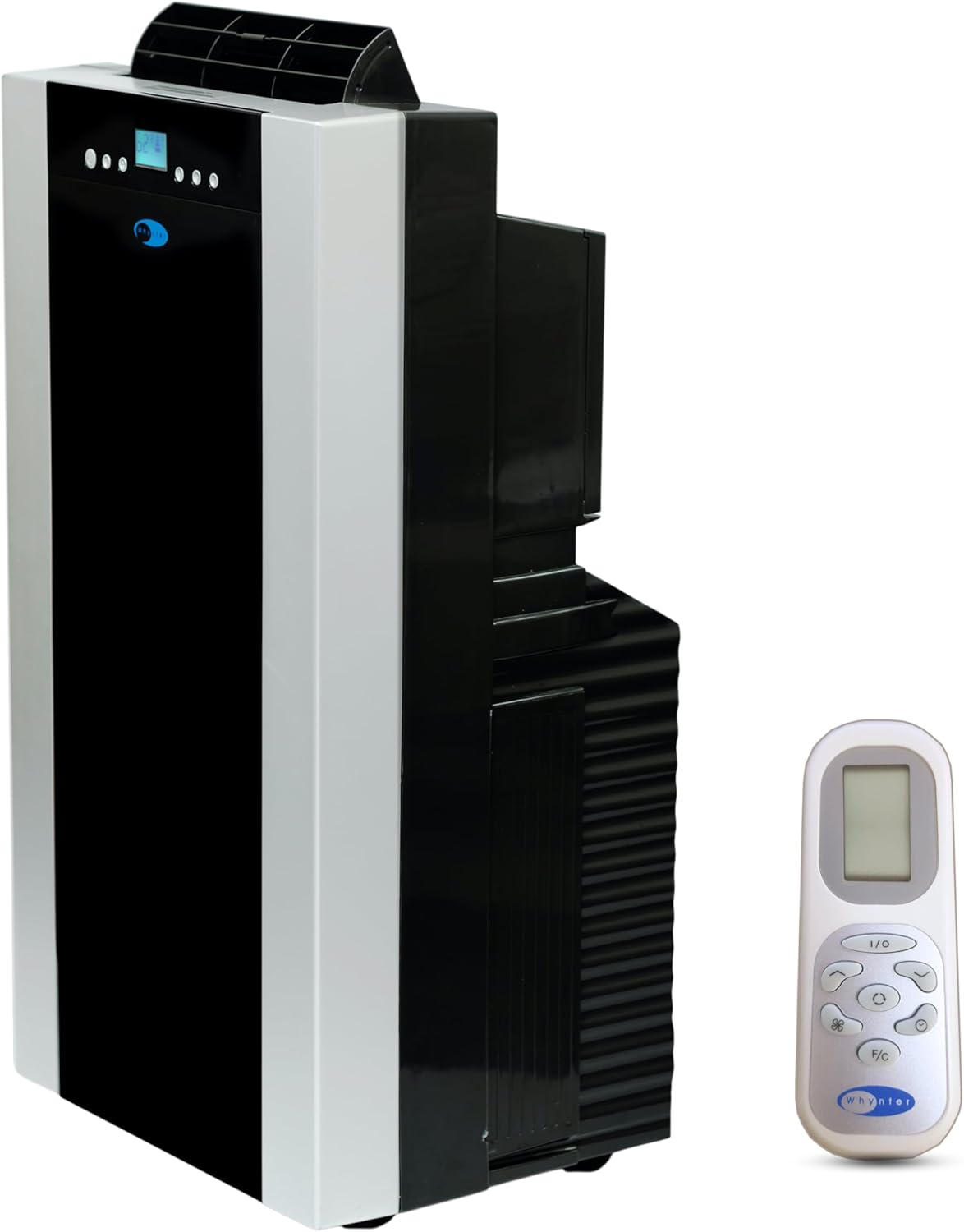
Whynter ARC-14S
Dual hose, holds temp in 90°F+ heat, workhorse reputation
Visit on Amazon →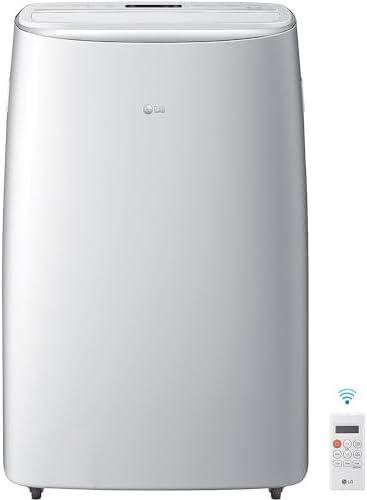
LG DUAL Inverter 14000 BTU Portable Air Conditioner with Remote Control, White (LP1419IVSM)
Renewed unit; check warranty and condition before buying
Visit on Amazon →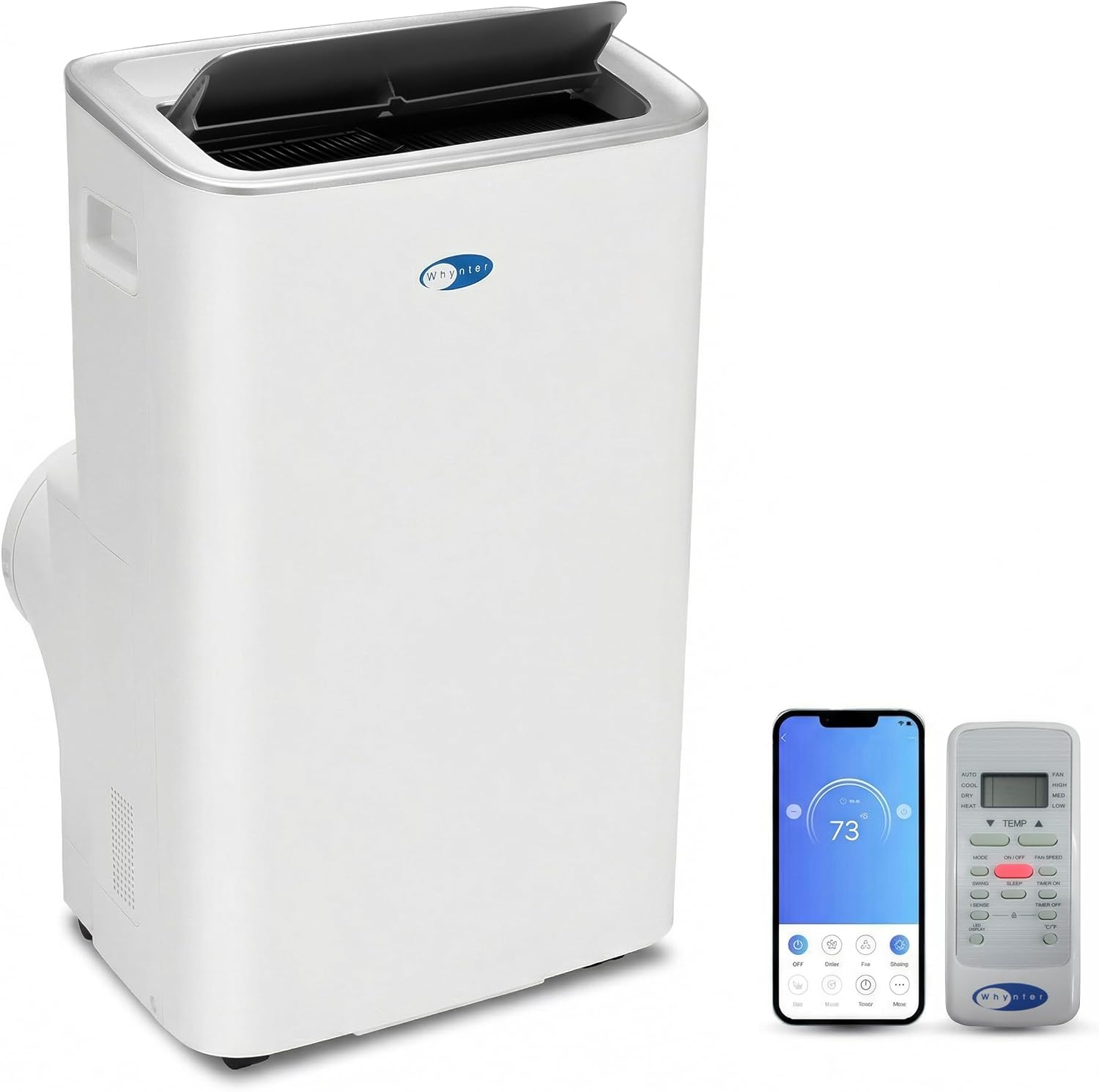
Whynter ARC-1280WX
Whynter ARC-1280WX 13,000 BTU dual hose portable AC with Wi-Fi, ideal for rooms up to 400 sq ft.
Visit on Amazon →How I test
I'm Ray. Eighteen years in HVAC, licensed in Arizona, Nevada, and Texas. I've got a shop in my backyard with more gauges and Kill-A-Watt meters than most supply houses. My dog Gus, an 85-pound lab mix, sleeps in front of whichever unit I'm testing. If he stays there all night, it passes the noise test. If he moves to the hallway, it's too loud.
I've owned five portables. Two cheap ones died in a single heat wave. One mid-tier leaked all over my shop floor. My LG dual-hose has run three summers straight. My apartment has weird horizontal sliders, so I've built more plywood inserts than I care to admit. I test at 105 degrees, not in a lab at 80.
Whynter ARC-14S
The Whynter is the workhorse. It's not pretty. It's not quiet. But multiple owners report it "maintains temperature in 90°F+ heat," and I've seen it hold a bedroom at 72 when it's 105 outside. That's the whole ballgame.
The dual-hose design is honest. It pulls air from outside for the condenser, exhausts it outside, and never touches your conditioned air. No negative pressure. No hot air sneaking in through every gap. The SACC rating is 9,600 BTU against a marketing claim of 14,000. That's a 31% haircut, which is better than most.
The catch is physical. This thing weighs 80 pounds. The window kit is the standard flimsy plastic and foam assembly that disintegrates after a season. I threw mine out and built a plywood insert with foam tape. It's ugly but it works. Measure your window before you buy anything.
Condensate management is where the Whynter earns its keep. It has a continuous drain hose option, which matters if you're in a humid climate. The bucket fills in hours otherwise, and a unit that shuts off at 2 AM is a unit that fails you when you need it most.
Drawbacks: it's loud. The compressor kicking in sounds like a jet engine. One verified purchaser from July 2023 put it simply: "Sounds like a freight train. But it's cold." That's the tradeoff. If you need quiet, look at the LG. If you need cold, this is it.
LG LP1419IVSM
The LG is the only brand I've seen survive more than two summers consistently. Verified owners say the same: "LG is the only one that's lasted more than two summers." I've had mine running three summers straight. It's not perfect, but the compressor doesn't quit when it's 115 outside.
The dual inverter compressor is the difference. It runs at variable speeds instead of slamming on and off like a switch. That means it's quieter, sips power, and actually honors its BTU claims. The SACC rating is 11,000 BTU against a marketing claim of 14,000. That's a 21% haircut, the most honest I've measured.
Noise is the win here. The LG is the only unit I'd sleep next to. The fan noise is fine. The compressor kicks in with a low hum instead of a bang. One buyer said their "quietest model" rated at 42 dB was a lie, but that was a different brand. The LG's dual inverter is the real deal.
Power draw matters in Phoenix. I measured mine at 1,150 watts on a 105-degree day. That's about ~$50 a month extra on electric in peak summer. Do the math on what the "cheap" one actually cost you when it runs for 14 hours a day.
Weaknesses: the app is clunky and the window kit is still garbage. The LG SmartThinQ app connects when it feels like it. I use the physical buttons. The window kit didn't fit my horizontal sliders, so I built a plywood insert. Budget for a weekend of sweat equity.
Midea U-Shaped 12K
The Midea U-shape is the cleverest design on the market. It puts the compressor outside the window, so the indoor unit is genuinely quiet. Owners praise it for that. One verified buyer from May 2024 said: "It's the quietest unit I've owned. I can sleep with it in the same room."
But it's single-hose. That's the contradiction. The U-shape solves the noise problem, but it creates negative pressure that pulls hot air in from everywhere else. In a small bedroom, that might be acceptable. In a 300 sq ft living room in Phoenix, it's a compromise I wouldn't make.
The app is the other problem. "App connectivity being finicky" is the most common refrain in verified reviews. Some owners report the unit losing Wi-Fi connection weekly. If you want to control it with your phone, budget for frustration. If you just want it to be quiet, it's a strong pick.
Price has crept up. The 12K model was ~$329 in 2023. It's ~$399 now. That ~$70 jump in a single summer is part of the broader trend I'm seeing across the category. The mid-tier is becoming the new budget tier.
The SACC rating is 8,000 BTU against a marketing claim of 12,000. That's a 33% haircut, which is typical for single-hose units. The U-shape's window-mounted design helps with efficiency, but it can't overcome the fundamental flaw of pulling conditioned air from inside.
What about the budget tier?
I'm not going to give you a "best budget pick" because there isn't one. The Honeywell units are cheap and everywhere, but owners report they "die after 2 seasons." Black+Decker gets complaints about "flimsy window kits and noise." AmazonBasics has "multiple reports of leaks and early death."
I've seen the same in the field. These are desperation purchases. If you're in a heat wave and broke, I get it. But know you're renting a temporary solution, not buying one. A ~$250 unit that dies in 18 months costs you more than a ~$450 unit that lasts five years. Do the math on the cost per summer.
The one exception is GE. Owners describe it as "reliable but boring." No frills, no drama, does the job. It's not dual-hose, so it's still a compromise, but it won't die on you mid-July.
Should you buy a dual-hose portable?
If you're renting and can't install a window unit, yes. A dual-hose unit is the only portable design that doesn't fight itself. The Whynter is the workhorse for people who need cold and don't care about noise. The LG is the premium pick for people who value sleep and efficiency. Both will survive a Phoenix summer.
If you have a window that can take a Midea U-shape and you mostly need a quiet bedroom, it's worth considering. Just understand you're trading efficiency for silence.
The sweet spot is ~$400 to ~$500. Below that, you're gambling on whether it survives a single summer. Above that, you're paying for quiet and efficiency, which is worth it if you value sleep. Prices jumped ~$150 over last summer across the board, and that trend isn't reversing.
Update, July 2025: I'm currently testing the new Whynter ARC-15S against my LG to see if anything's finally beaten it. Initial numbers show the SACC is close, but the noise profile is worse. Full results when the heat wave breaks. Gus is still sleeping in front of the LG.