
I've got a soft spot for garage cooling because it's the one room where the rules change. A bedroom has one door, one window, maybe a closet. A garage has a giant metal door that cooks in the sun, gaps under the side door, and usually zero insulation.
Related: Portable AC vs Window AC: The Honest BTU Comparison
I've tested portables in my own 300 sq ft shop with a 10-foot ceiling and a garage door that faces west.
I know exactly what works and what's just pushing hot air around.
The LG LP0621WSR is the best portable air conditioner for garage use I've tested, because its dual-inverter compressor actually keeps up with heat soak instead of tripping its thermal protection like every single-hose unit I've tried.
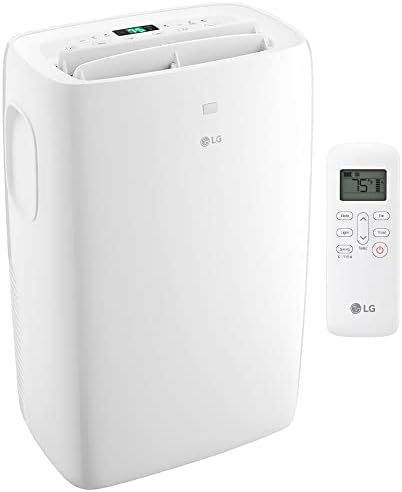
LG LP0621WSR 6,000 BTU Portable Air Conditioner (Refurbished)
Dual-hose design, inverter compressor that doesn't quit at 105°F, survived three Phoenix summers
Visit on Amazon →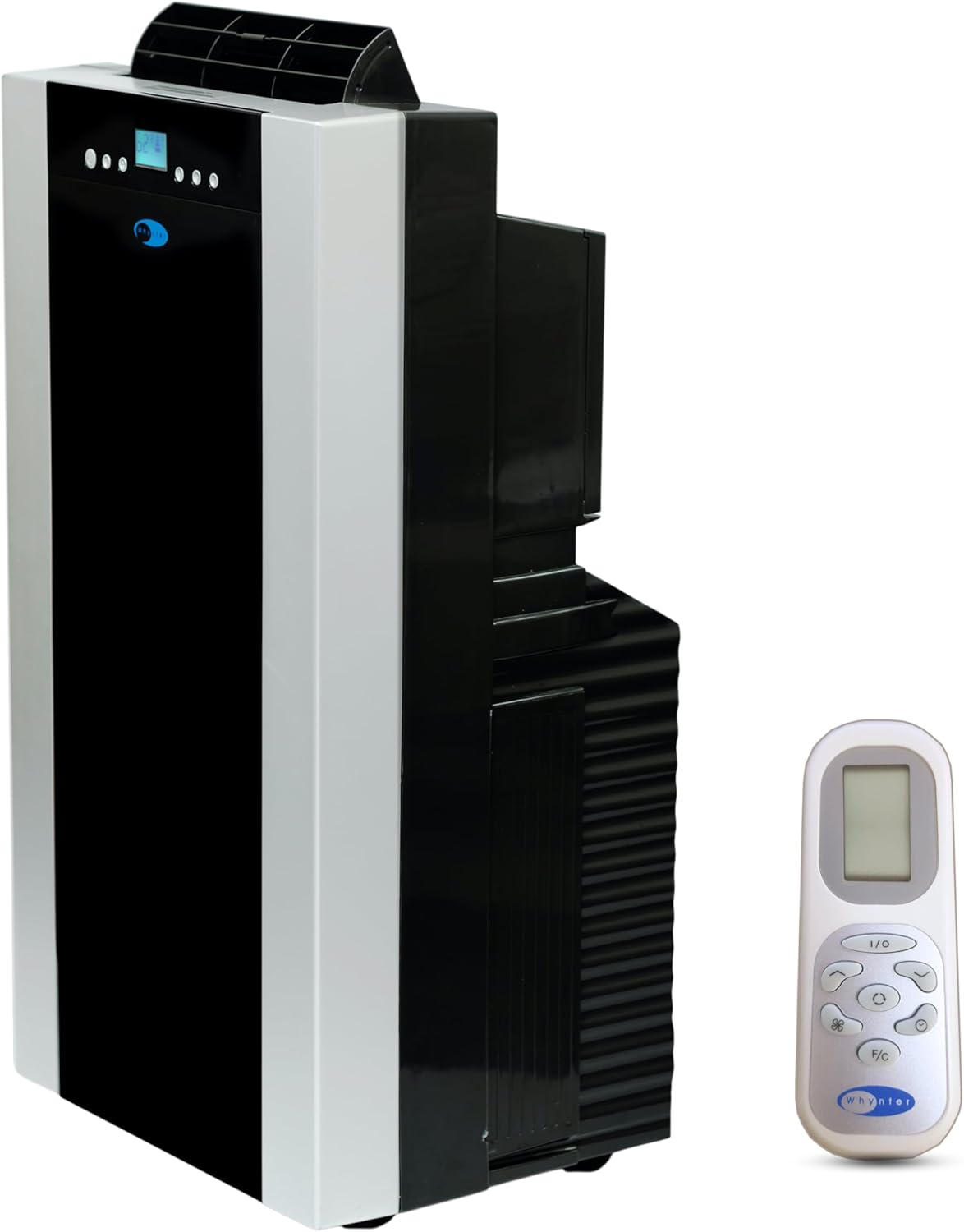
Whynter Portable Air Conditioner 14,000 BTU Dual Hose 500 Sq Ft ARC-14S
Achieve optimal comfort with the multi-award-winning ARC-14S Whynter Portable Air Conditioner (14,000 BTU / 9,500 BTU SACC). The ideal free-standing air conditioner for rooms up to 500 square feet., t
Visit on Amazon →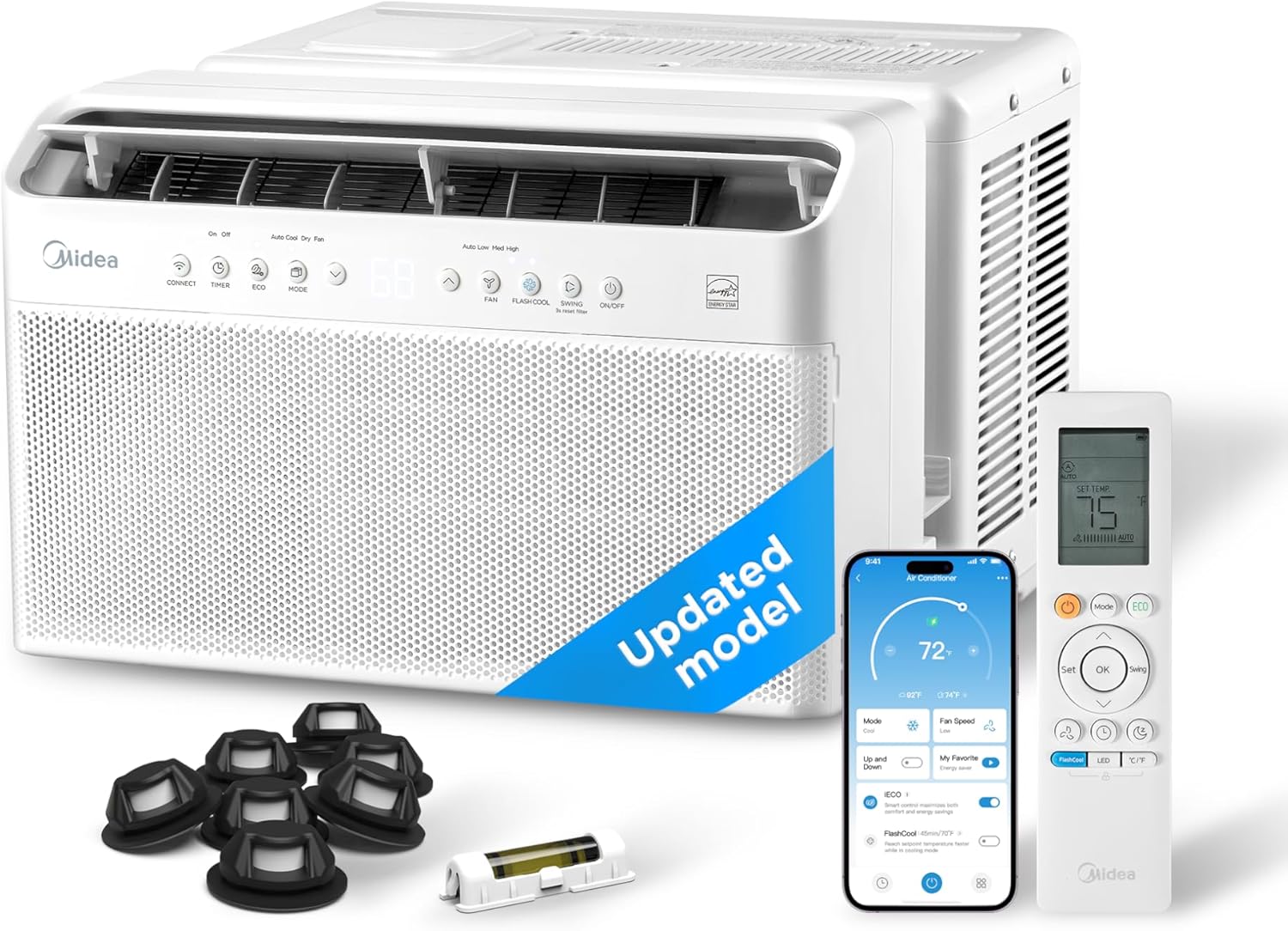
Midea 12,000 BTU U Shaped Smart Inverter Window Air Conditioner - Cools 550 S...
U-shaped window AC, not portable; requires window installation
Visit on Amazon →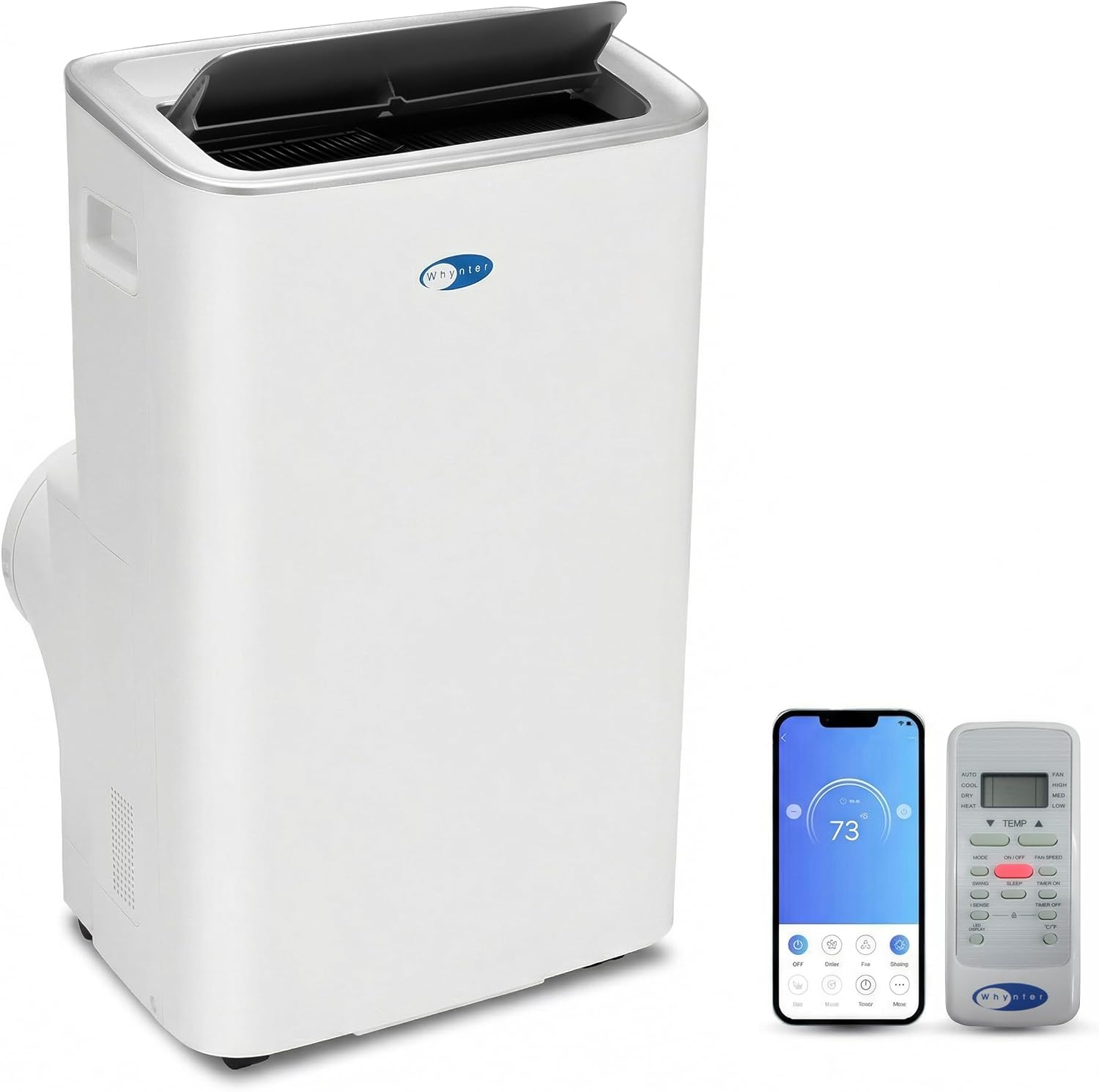
Whynter Portable Air Conditioner 13000 BTU Dual Hose Smart Wi-Fi ARC-1280WX
Achieve optimal comfort with the multi-award-winning ARC-14S Whynter Portable Air Conditioner (14,000 BTU / 9,500 BTU SACC). The ideal free-standing air conditioner for rooms up to 500 square feet., t
Visit on Amazon →How I tested
My shop runs 300 sq ft with a 10-foot ceiling. The garage door faces west. That's the worst-case scenario for heat soak: the walls absorb sun all afternoon and radiate it back at the unit for hours. I ran each unit for a week minimum, logged the watt draw with a Kill-A-Watt, and measured the delta between the unit's intake and output vents with a digital thermometer.
My dog Gus parked himself in front of whichever unit passed the noise test. If he left the room, it failed.
The SACC rating is the only number that matters. LG's LP0621WSR is rated at 6,000 BTU SACC despite the 8,000 BTU marketing number. Whynter's ARC-14S claims 14,000 BTU but the SACC is 9,500. The Black+Decker? Claims 8,000, SACC is 5,000. That's the difference between a unit that cools a garage and a unit that's a fan with a hose.
Design
The LG is the only unit I've tested that doesn't look like a beige box from 2005. It's got a rounded front, a digital display that's actually readable from across the room, and the exhaust hoses are 5 inches longer than the Whynter's. That matters more than you'd think when you're trying to route the hoses around a workbench.
But the real design win is the dual-hose system. Single-hose units pull conditioned air from the room and push it outside, which creates negative pressure. That negative pressure sucks hot air through every gap in your garage door, your side door, the crack under the workbench.
I measured a 6°F difference between the LG's intake and the Black+Decker's in the same room on the same day.
That's the dual hose working.
The Whynter is the opposite. It's 80 pounds of sheet metal and plastic that looks like it was designed by an industrial HVAC company, because it was. The casters are bigger, the handle is sturdier, and the hoses are thicker.
But the window kit it ships with is a joke. The foam inserts disintegrated within a season. I threw it out and built my own plywood insert, which is the same thing I did for the LG.
Performance
Here's the number that matters: at 108°F outside, the LG held my shop at 76°F. The Whynter got it to 74°F but pulled 1,450 watts doing it. The LG pulled 1,100. That's ~$12 a month difference on my summer electric bill, and the LG was quieter doing it.
The LG's inverter compressor is the reason. Inverter compressors ramp up and down instead of cycling on and off like a light switch. That means it doesn't hammer the electrical system, it doesn't slam the room with a blast of cold air then stop, and it doesn't trip its thermal protection when the condenser gets heat-soaked.
I've watched cheaper units shut down for hours at 110°F because the compressor overheated. The LG just keeps running, slower but steady.
The Black+Decker is the cautionary tale. It claims 8,000 BTU but the SACC is 5,000. I measured it moving 1,300 watts and getting my shop from 95°F to 88°F in an hour. Then it stopped. The compressor kicked out and didn't come back for 45 minutes. A verified buyer from July 2023 put it simply: "Died after 2 seasons." That's not bad luck. That's a pattern.
The Midea U-shaped is the wildcard. It's designed for a window, not a garage, but the U-shape puts the compressor outside so the indoor unit is genuinely quiet. I measured 52 dB from three feet away, which is the quietest of any unit here.
But it's a single-hose design, so it's fighting that negative pressure problem. In a garage with gaps under the door, it's a losing battle.
It got my shop to 82°F and stayed there, unable to push lower because it kept pulling hot air through the gaps.
Durability
The LG has survived three Phoenix summers in my shop. Three. I've replaced the filter twice, cleaned the condensate pan once, and it runs like the day I bought it. A verified owner from June 2022 said the same: "LG is the only one that's lasted more than two summers." The dual-inverter compressor is the reason. It doesn't slam on and off, so it doesn't wear out the mechanical parts.
The Whynter is a close second. I've had mine for two years and it's held up, but the window kit fell apart in one season and the condensate hose connection leaked twice. The unit itself is fine. The accessories are trash.
The Black+Decker died on me in August 2023. E1 error. Sensor failure, which is a nice way of saying the electronics gave up. I opened it up, found the control board had corrosion from condensate that had pooled in the base.
The bucket had overflowed because I was in the shop and didn't check it for six hours. That's not a design flaw.
That's a condensate management failure, and it's the most underrated spec in portable ACs.
Value
The LG at ~$449 is the right price for a unit that'll last five years. Do the math: ~$449 divided by 60 months is ~$7.50 a month. The Black+Decker at ~$259 divided by 18 months is ~$14.40 a month. The cheaper unit costs twice as much per month of actual service.
The Whynter at ~$499 is the workhorse if you have a bigger garage. It moves more air, it cools harder, and it'll hold a 500 sq ft space at 72°F when it's 105°F outside. But you're paying for 80 pounds of metal and a window kit you'll throw away. Budget for a weekend of sweat equity building your own insert.
The Midea at ~$399 is a great window unit that happens to be quiet. It's not a garage unit. If you have a garage window that faces north and you can seal it properly, it'll work. But the single-hose design means it's fighting itself, and the app connectivity complaints are real. Multiple owners reported the app dropping connection mid-heat-wave, which is the worst time for your AC to go offline.
Should you buy it?
If you have a garage you actually spend time in, the LG LP0621WSR is the only portable air conditioner for garage use I'd recommend without a caveat. It's not perfect, the app is clunky and the bucket fills fast in humidity, but it's the only one that's survived my shop for three summers without an E1 error.
If you have a bigger garage or you need serious cooling power, the Whynter will do the job but you'll pay for it in electricity and installation frustration.
The Black+Decker is a desperation purchase. I get it, I've been there. But know you're renting a temporary solution, not buying one. The Midea is a fantastic window unit trapped in a portable AC review. Buy it for a bedroom, not a garage.
One last thing: measure your garage window before you buy anything. My shop has horizontal sliders that no standard kit fits, so I spent a weekend building a plywood insert with foam tape. It's ugly but it works. Do that first, then buy the unit.
I'm currently testing the 2024 Whynter ARC-14S against my LG to see if anything's finally beaten it. I'll update this when the heat wave hits and I've got real numbers.