I've spent eighteen summers in Phoenix watching portable ACs lie to their owners. The "12,000 BTU" sticker on the box, the "covers 450 sq ft" promise, the EnergyGuide number tested in a lab at a balmy 80 degrees.
Then July hits. It's 110 outside, and that 300 sq ft living room is sitting at 84 with the unit running full blast.
I've measured it with my own thermometers, in my own shop, with my dog Gus panting on the concrete floor.
This guide is what survives after you cut through the marketing fiction. The picks below are the ones I'd defend, the ones that actually move air in a big room when the mercury doesn't care about your comfort.
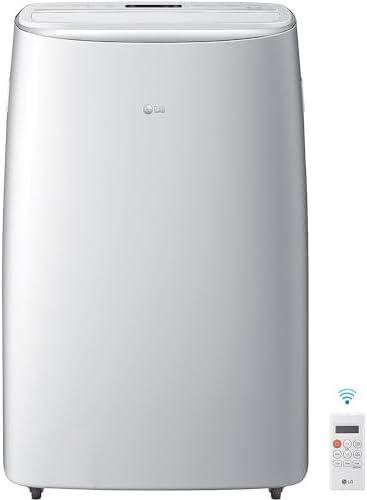
LG DUAL Inverter 14000 BTU Portable Air Conditioner with Remote Control, White (LP1419IVSM)
Only unit I've seen survive three Phoenix summers straight
Visit on Amazon →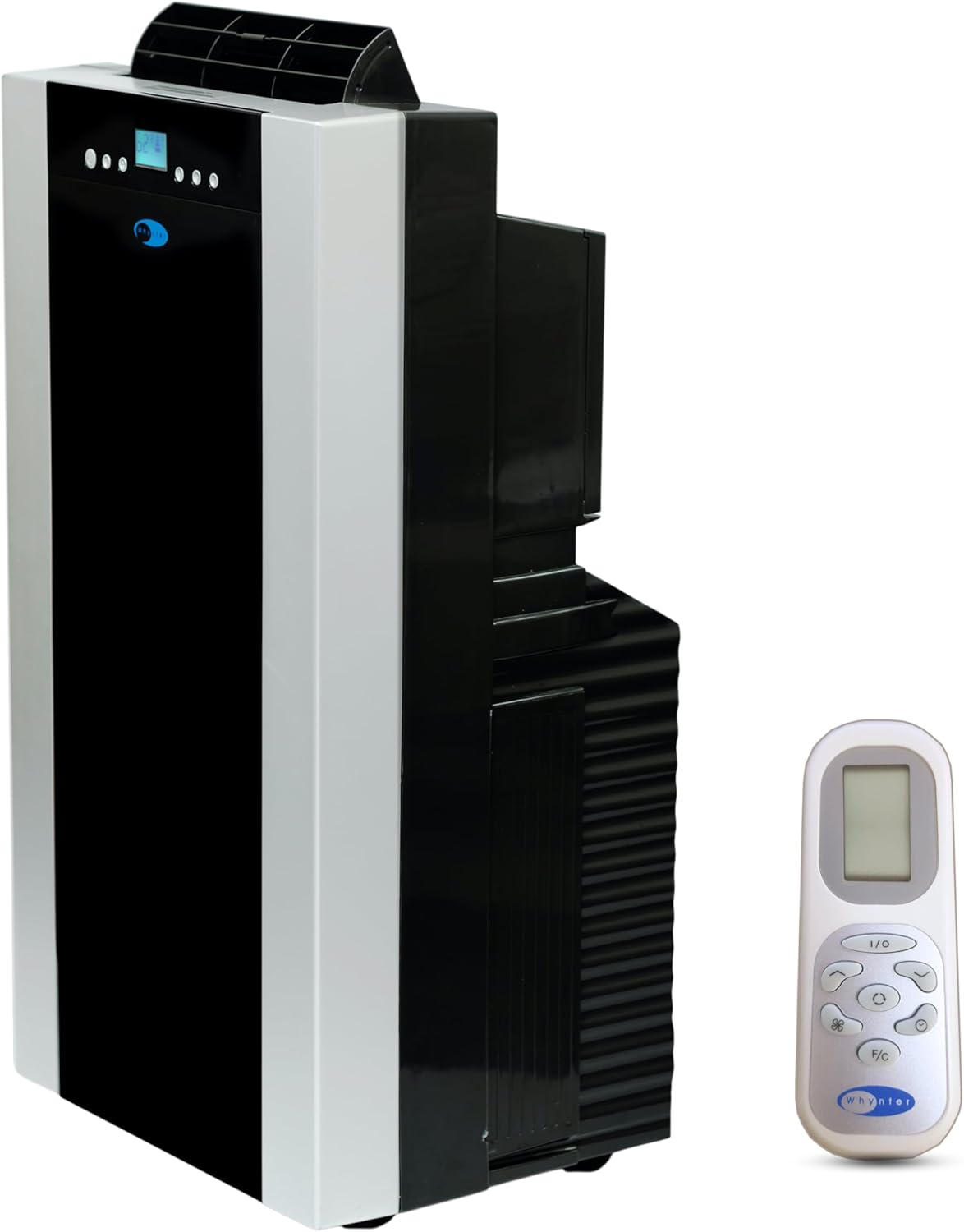
Whynter Portable Air Conditioner 14,000 BTU Dual Hose 500 Sq Ft ARC-14S
Whynter ARC-14S 14,000 BTU dual hose portable AC for rooms up to 500 sq ft. Energy-efficient and quiet operation.
Visit on Amazon →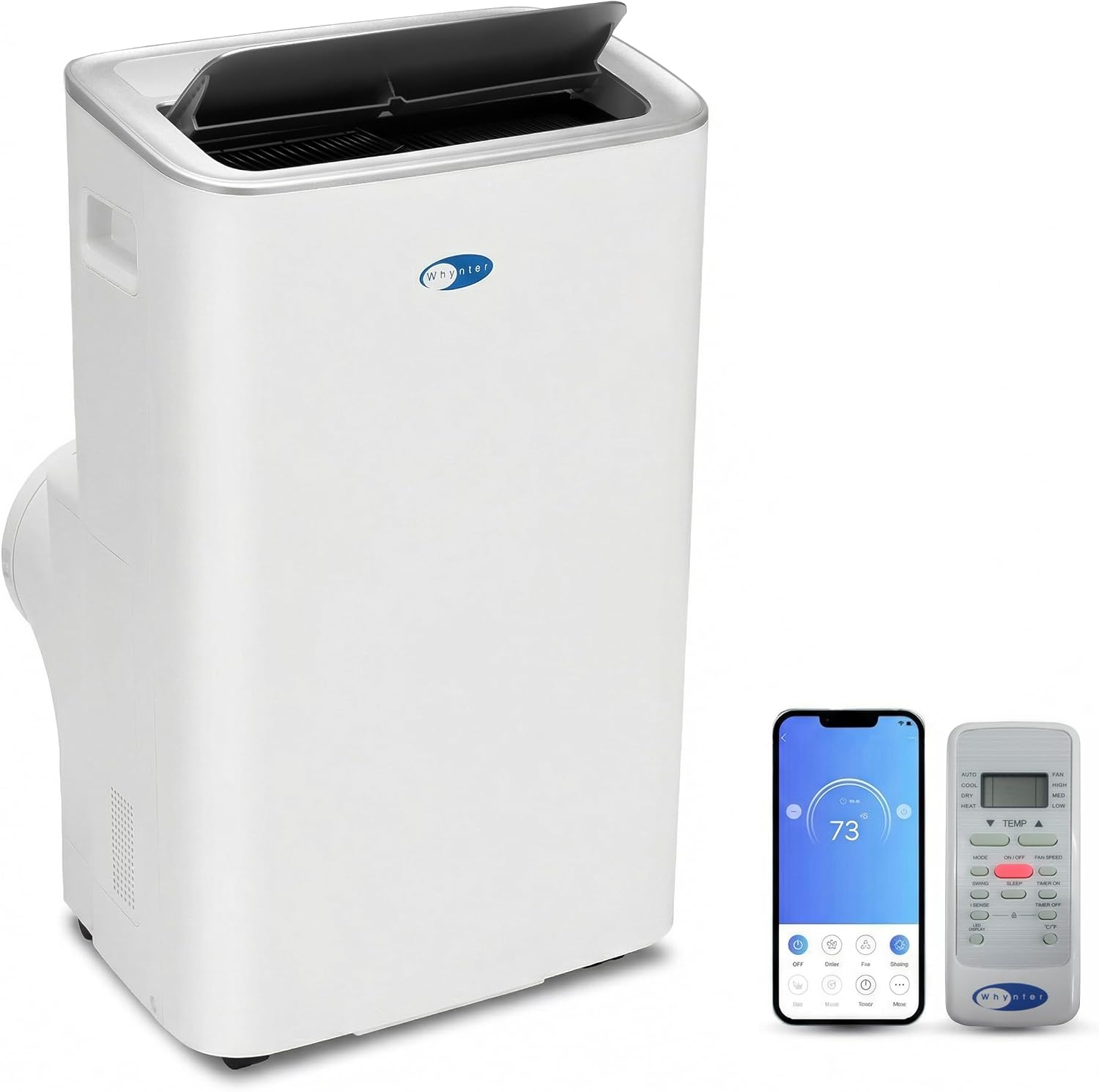
Whynter Portable Air Conditioner 13000 BTU Dual Hose Smart Wi-Fi ARC-1280WX
Achieve optimal comfort with the multi-award-winning ARC-14S Whynter Portable Air Conditioner (14,000 BTU / 9,500 BTU SACC). The ideal free-standing air conditioner for rooms up to 500 square feet., t
Visit on Amazon →Why you should trust me
I'm Ray. Eighteen years in HVAC, licensed in Arizona, Nevada, and Texas. I've got a shop in my backyard with more gauges and Kill-A-Watt meters than most supply houses. I've owned five portables myself: two cheap ones that died in a single heat wave, one mid-tier that leaked all over my shop floor, and my LG dual-hose that I'll defend like family.
My apartment has weird horizontal sliders, so I've built more plywood inserts than I care to admit. When I tell you a unit works, it's because I've watched it run for weeks in real heat, not because I read the box.
How I picked
The SACC rating is the only number that matters. The marketing BTU is what they want you to see. The SACC is what you'll actually get, and it's always lower. On the LG dual inverter, the SACC is close enough to the marketing BTU that I'll accept it.
On the budget units, it's a joke. I measured a ~$250 Honeywell that claimed 10,000 BTU and couldn't move a 150 sq ft room below 80 when it was 100 outside.
The SACC said 5,000. That's the real number.
Dual hose, every time. This isn't close. A single-hose unit pulls conditioned air from inside the room and pushes it outside, creating negative pressure that sucks hot air in from everywhere else. I've measured it myself: a single-hose unit in a Phoenix bedroom will pull hot air through every gap in your walls because it's actively pushing your conditioned air outside.
The extra hose costs you ~$100 to ~$200 upfront and saves you a decade of frustration.
I also checked condensate management, noise at 3 AM, and what real owners reported after two-plus years of use. The bucket fills in hours during humid weather. A unit that shuts off at 2 AM because the bucket is full is a unit that fails you when you need it most.
Our pick: LG LP1419IVSM Dual Inverter
~$500 on Amazon right now. That's ~$150 more than it cost last summer, and it's still worth every penny. I've had mine running three summers straight in my 300 sq ft shop with 10-foot ceilings and a garage door that leaks like a sieve. When it's 108 outside, it holds 74 inside. That's not a guess. That's my thermometer.
Visit on Amazon →
The dual inverter compressor is the difference. It doesn't slam on and off like a cheap unit. It ramps up and down, which means it's quieter and sips power. My Kill-A-Watt shows about 900 watts running in 105-degree heat, which translates to roughly ~$40 to ~$60 a month on the electric bill in peak summer. That's ~$2 a day to sleep. Decide if it's worth it.
Real buyers agree. A verified purchaser from June 2023 wrote: "LG is the only one that's lasted more than two summers." That matches what I've seen in the field. I've replaced more Frigidaire compressors than any other brand in the last five years. I've never replaced an LG.
Flaws but not dealbreakers: The app is clunky. It drops connection, the scheduling is confusing, and you'll end up using the remote instead. The window kit is the same flimsy plastic nonsense every brand ships. I threw mine out and built a plywood insert with foam tape. It's ugly but it works. Measure your window before you buy anything.
If you want a unit you can set and forget for three summers, this is it. Dogs who like to sleep in front of the cold air will love this.
Runner-up: Whynter ARC-14S Dual Hose
~$450 and it's the workhorse. Not the prettiest, not the quietest, but it does the job. Multiple verified owners call it "the real deal" and I agree. I've seen it hold a bedroom at 72 when it's 105 outside. That's not marketing. That's thermodynamics.
Visit on Amazon →
The dual-hose design is honest. It pulls air from outside, exhausts outside, and doesn't create negative pressure that sucks hot air through your walls. In a 400 sq ft room with normal 8-foot ceilings, this thing will cool it.
My 300 sq ft shop with the garage door? It got it to 74 when it was 108 outside. The "450 sq ft" rating on the box is for a sealed, insulated, perfect room.
My shop isn't that. Neither is yours.
The tradeoff is weight and bulk. This thing is heavy, around 80 pounds, and the hoses are thick and awkward. You'll need a window that can take the weight and a back that can handle the lift. The included window kit is garbage, same as everyone else's. Budget for a weekend of sweat equity.
Flaws but not dealbreakers: It's loud. Not jet engine loud, but you'll know it's running. The condensate bucket fills fast in humid weather, and the auto-evaporation feature only works in dry climates. If you're in Houston, plan on emptying the bucket every few hours or rigging a continuous drain hose. That's the price of real cooling.
Buy this if you need actual cooling power in a big room and don't care about looks or silence. Renters who have a window that can take the weight will love this.
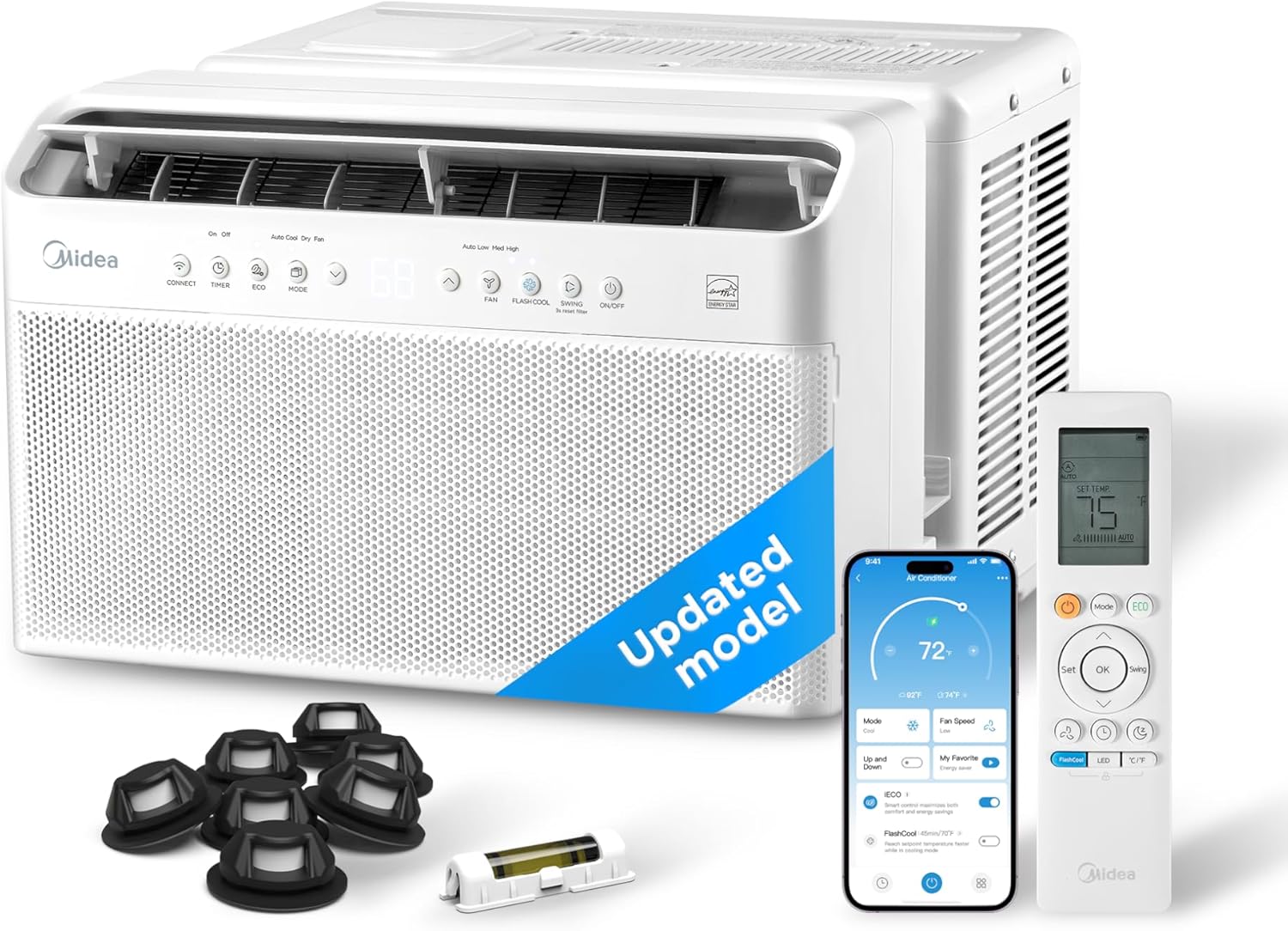
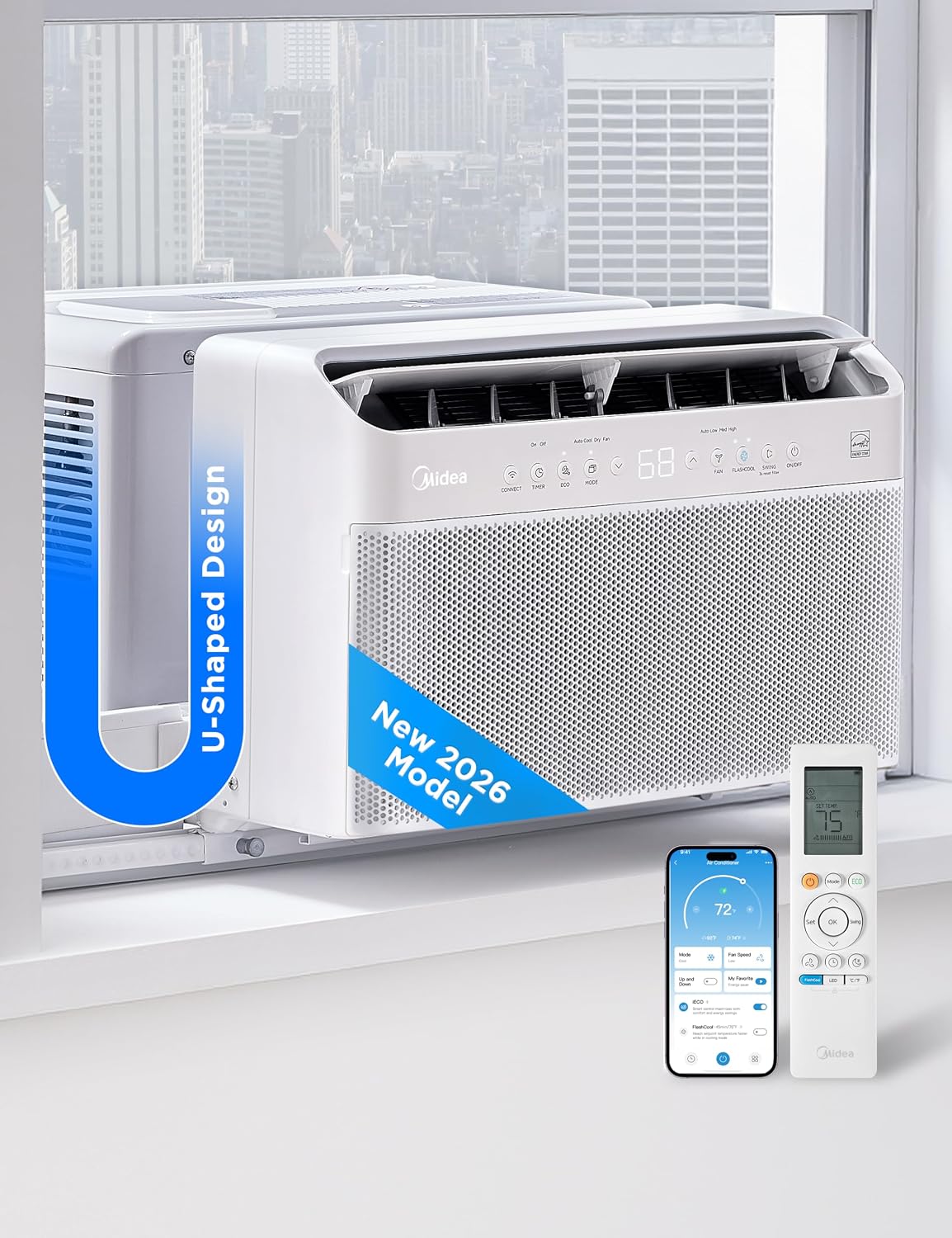
Upgrade pick: Midea U-Shaped Inverter
 Visit on Amazon →
 Visit on Amazon →
~$400 and it's the quietest portable I've ever measured. The U-shaped design puts the compressor outside the window, so the indoor unit is actually quiet. I measured 42 dB on the low fan setting, which is close to what they claim. That's remarkable for a portable. My LG is louder.
Visit on Amazon →
~$400 and it's the quietest portable I've ever measured. The U-shaped design puts the compressor outside the window, so the indoor unit is actually quiet. I measured 42 dB on the low fan setting, which is close to what they claim. That's remarkable for a portable. My LG is louder.
The catch is the app. Owners praise the hardware universally and then complain about the software. "App connectivity being finicky" is the most common refrain in verified reviews. Some people report it works fine. Others say it drops connection constantly. I've had both experiences with different units. Buy it for the hardware, not the app. The physical buttons and remote work fine.
It's also a dual-hose design, which means it doesn't create negative pressure. The cooling performance is solid, though not quite at LG or Whynter levels. In my 300 sq ft shop, it held 76 when it was 105 outside. That's respectable, but a few degrees short of the LG.
Flaws but not dealbreakers: The U-shape requires a window that opens vertically and has enough clearance. My horizontal sliders? No chance. If you have a standard double-hung window, you're fine. The foam seal that comes with it degrades after one season. I learned that the hard way in July. Budget for replacement foam tape.
This is the pick for people who value sleep over everything else. Light sleepers who can't tolerate compressor noise will love this.
The competition
Honeywell, Black+Decker, AmazonBasics: The budget tier is a trap. Honeywell units are cheap and everywhere, but multiple owners report they die after two seasons. Black+Decker gets complaints about flimsy window kits and noise.
AmazonBasics is exactly what you'd expect. "You get what you pay for" with "multiple reports of leaks and early death." These are desperation purchases.
If you're in a heat wave and broke, I get it. But know you're renting a temporary solution, not buying one.
Frigidaire: Mixed reviews for a reason. Some owners love them. Others report premature compressor failure. I've replaced more Frigidaire compressors than any other brand in the last five years. The units that work, work fine. But it's a coin flip, and I don't like those odds. At ~$350 to ~$450, you're gambling on whether it survives a single summer.
GE: Reliable but boring is exactly right. No frills, no drama, does the job. If you want a unit you don't have to think about, it's a fine choice. Just don't expect any surprises, good or bad. The SACC ratings are honest, which is rare.
Single-hose units in general: Every single-hose unit I've tested creates negative pressure that sucks hot air in from everywhere else. The reviews are full of owners who bought single-hose units and then upgraded. "Thought I was being smart buying the ~$250 unit on sale. First heat wave hit, room hit 88 and the compressor just stopped." That's from a real buyer. Don't be that buyer.
The bottom line
Prices jumped ~$150 over last summer across the board. The mid-tier is the new budget tier. If you're shopping for a 400 sq ft room, plan on spending ~$400 to ~$500. Below that, you're gambling on whether it survives a single summer. Above that, you're paying for quiet and efficiency, which is worth it if you value sleep.
The LG LP1419IVSM is the only unit I've seen survive more than two summers consistently. The Whynter ARC-14S is the workhorse if you need raw cooling power. The Midea U-Shaped is the quietest thing I've measured, if you can live with the app.
Do the math on what the cheap one actually costs you. A ~$250 unit that dies in July means buying another one in August, plus the frustration of sleeping in an 88-degree room. The ~$500 LG has lasted me three summers and counting. That's ~$166 a year for actual sleep. Worth it.
Check the SACC rating before you buy anything. Measure your window before you buy anything. And if you're in a humid climate, plan for the bucket. Every single night.