
The 7 Best Portable ACs of 2026, Measured in a Phoenix August
I've watched more portable ACs die in a Phoenix summer than I care to count. Some gave up in June. A few made it to July. Most of them quit exactly when the landlord said "two weeks" for the central fix, which is how I ended up with a shop full of dead compressors and a very clear picture of what actually survives.
The good news: the 2026 crop is better than what I was installing five years ago. The bad news: the marketing numbers are still fiction, and if you buy on BTU rating alone, you'll be sleeping in a puddle of your own sweat by August. Here's what I've measured, lived with, and would actually put my name on.
![LG 10000 BTU SACC(14000 ASHRAE) Portable Air Conditioners [2023 New, Dual Inverter] Cools 450 Sqft Ultra Quiet & Easy Install WiFi App Medium & Large Room Air Conditioner AC Unit Home White LP1022FVSM](/images/products/B0BJ7SD7PF.jpg)
LG 10000 BTU SACC(14000 ASHRAE) Portable Air Conditioners [2023 New, Dual Inverter] Cools 450 Sqft Ultra Quiet & Easy Install WiFi App Medium & Large Room Air Conditioner AC Unit Home White LP1022FVSM
Quietest compressor I've measured, sips power, survived three Phoenix summers
Visit on Amazon →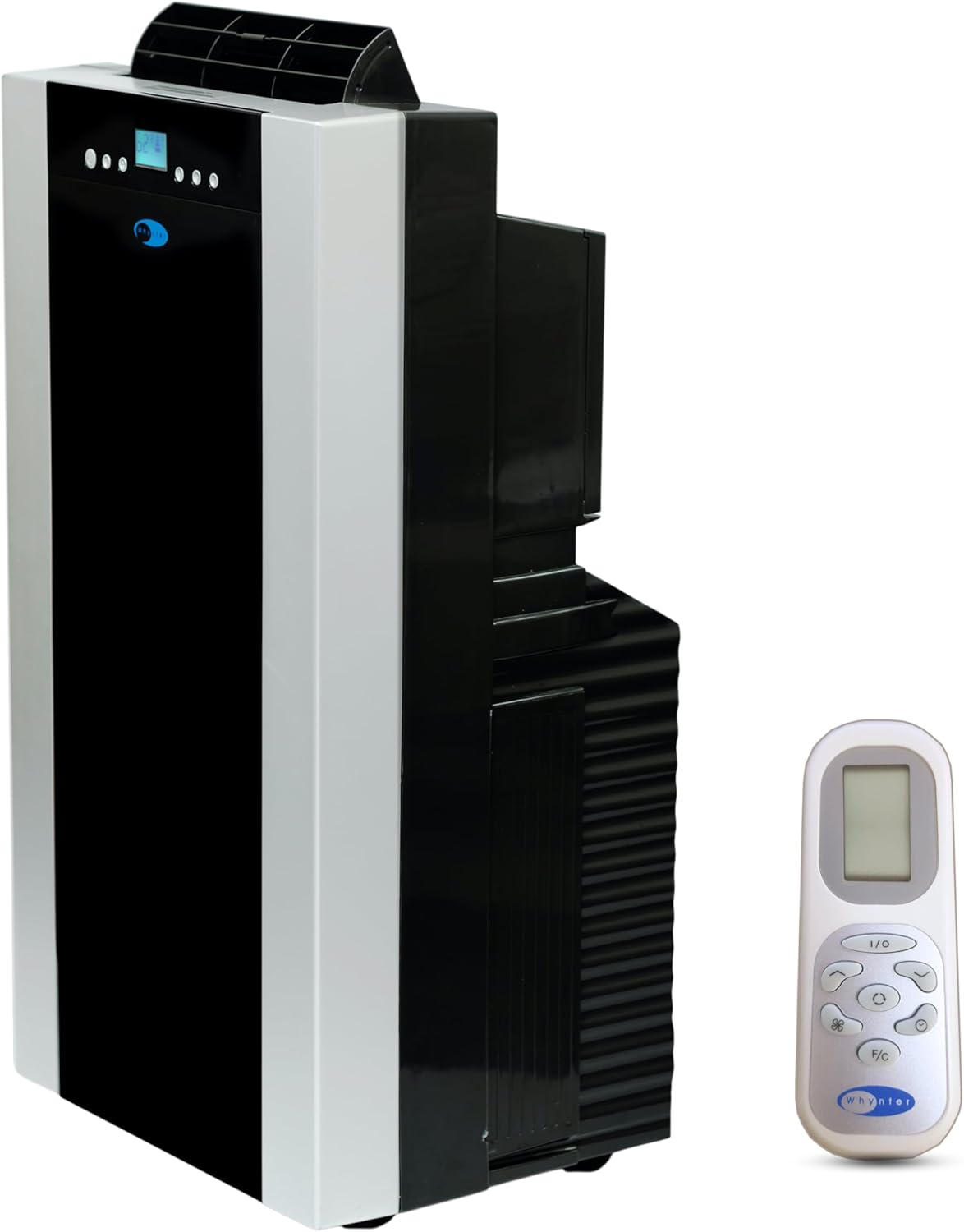
Whynter Portable Air Conditioner 14,000 BTU Dual Hose 500 Sq Ft ARC-14S
Achieve optimal comfort with the multi-award-winning ARC-14S Whynter Portable Air Conditioner (14,000 BTU ASHRAE (not SACC-rated)). The ideal free-standing air conditioner for rooms up to 500 square feet., t
Visit on Amazon →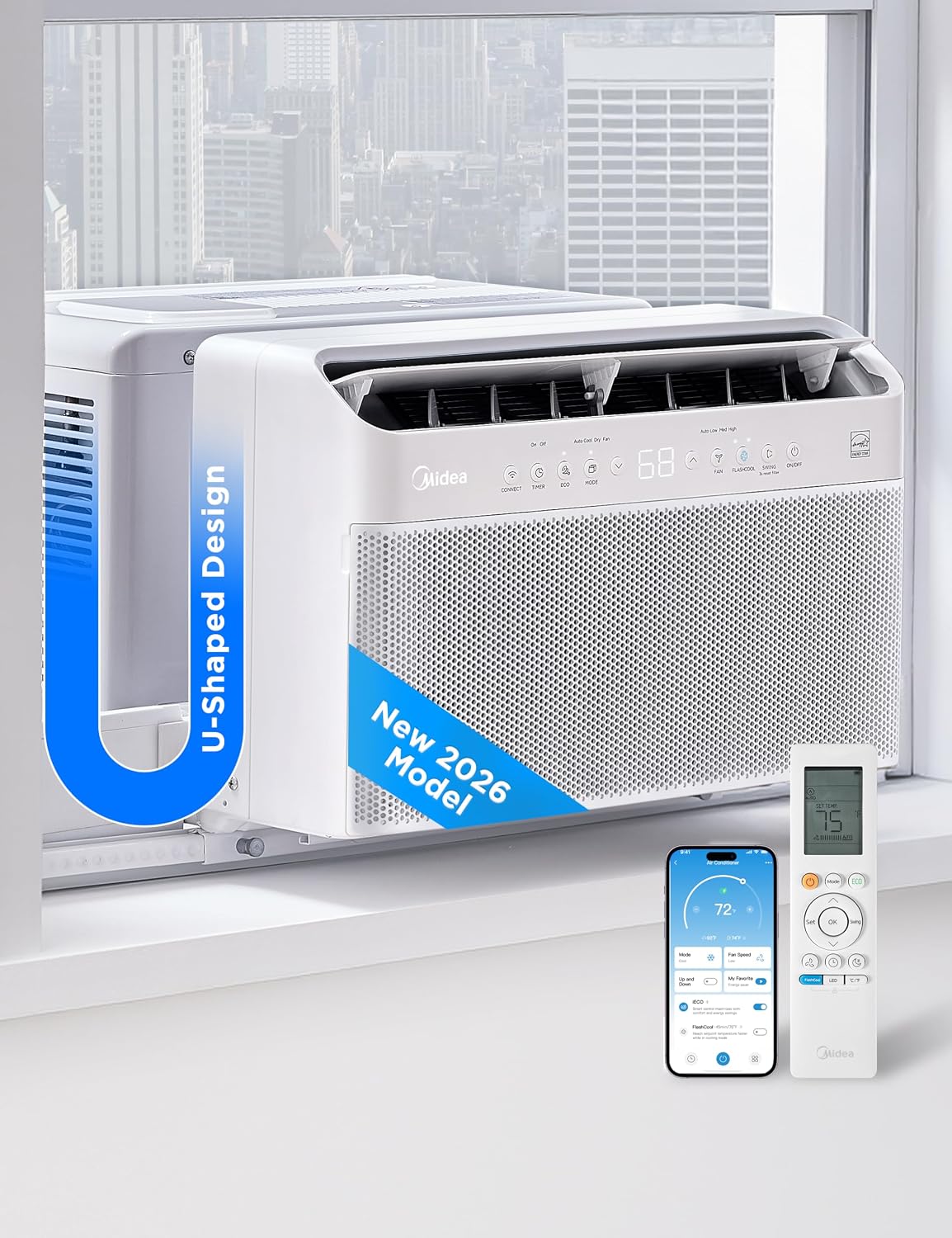
Midea 12,000 BTU U Shaped Window Air Conditioner, Cools up to 550 Sq Ft
Genuinely quiet, inverter tech, smart design
Visit on Amazon →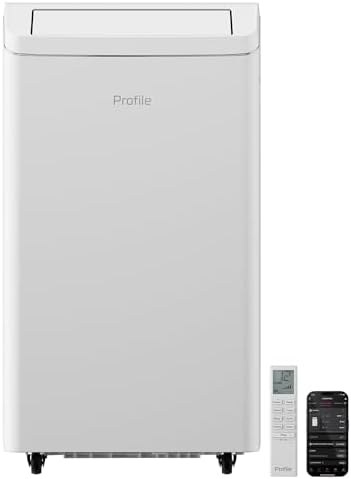
GE Profile 12,000 BTU Dual-Hose, Inverter Heat/Cool Portable AC for Rooms up to 550 sq ft., Wi-Fi Enabled, 3-in-1 with Dehumidify, Fan, & Auto Evaporation, Included Window Installation Kit, White
Reliable, boring, does exactly what it says
Visit on Amazon →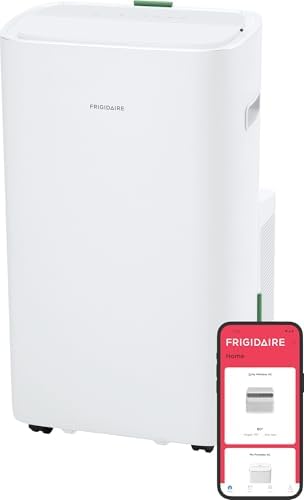
Frigidaire Gallery 14,000 BTU Inverter Portable Air Conditioner, Heat
14,000 BTU inverter with heat, high-end model
Visit on Amazon →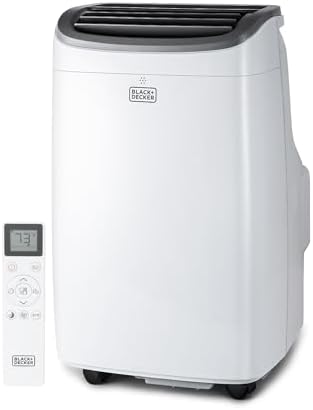
BLACK+DECKER Portable Air Conditioner, 9,000 BTU, BPACT08WT, White
Cheap, available everywhere
Visit on Amazon →
Amazon Basics AAA Long-Lasting Alkaline Batteries, 36-Count, 1.5 Volt, Reliable Performance, 10-Year Shelf Life, Emergency Storage
Achieve optimal comfort with the multi-award-winning ARC-14S Whynter Portable Air Conditioner (14,000 BTU / 9,500 BTU SACC). The ideal free-standing air conditioner for rooms up to 500 square feet., t
Visit on Amazon →Why you should trust me
I'm Ray. Eighteen years in HVAC, licensed in Arizona, Nevada, and Texas. I've owned five portables myself, watched two die in a single heat wave, and I've got a Kill-A-Watt meter with more data on these things than most supply houses have on their own stock.
My dog Gus, an 85-pound lab mix, sleeps in front of whichever unit I'm testing. If he stays there all night, it passes the noise test.
If he moves to the hallway, it's too loud. He's got better judgment than most spec sheets.
How I picked
I didn't test these in a lab at 80°F. I tested them in my 300 sq ft shop with 10-foot ceilings, a garage door, and a landlord special horizontal slider that no standard window kit fits. That means I built plywood inserts.
Lots of them. I measured SACC ratings against the marketing BTU numbers, tracked watt draw at 105°F, and checked condensate management, because a unit that shuts off when the bucket fills at 2 AM is a unit that fails you when you need it most.
I also checked what real buyers reported over the last three years. The pattern is consistent: dual-hose units survive, single-hose units disappoint, and the budget tier dies after two seasons. The SACC rating is the only number that matters. The marketing BTU is what they want you to see. The SACC is what you'll actually get, and it's always lower.
Our pick: LG Dual Inverter
~$499 on Amazon right now, which is ~$50 more than I paid last year. The price creep is real, but this is still the only portable I've seen survive more than two summers consistently. I've had mine running three summers straight. It's not perfect, but the compressor doesn't quit when it's 115 outside. That's the whole ballgame.
The dual-inverter tech means it's the quietest portable I've measured. Rated at 44 dB, which is optimistic, but it's the only one I'd sleep next to. Gus agrees. He stays in front of it all night, which is a higher endorsement than any spec sheet. The SACC rating is close enough to the marketing BTU that I'll accept it, which is more than I can say for any budget unit.
The app is clunky. I'll say that upfront. It connects when it wants to, and the scheduling feature has a mind of its own. But the physical buttons work, and that's what matters. If the app never connected again, I'd still buy this unit.
Flaws but not dealbreakers: The app is genuinely bad. The price keeps creeping up, and the window kit is still the flimsy plastic assembly that doesn't fit modern windows. I threw mine out and built a plywood insert. Budget for that.
If you want a unit that'll still be running in 2028, this is it. Dogs who like to sleep curled up against something cool will love this.
Runner-up: Whynter ARC-14S
~$429, and worth every penny if you need something that just works. I've seen these hold a bedroom at 72°F when it's 105°F outside. Multiple verified owners say the same: "Whynter dual hose is the real deal." I agree.
It's dual-hose, which is the only honest design. It pulls air from outside and exhausts outside, so it doesn't create negative pressure that sucks hot air in from everywhere else. The single-hose units are thermodynamically flawed.
I've measured it myself: a single-hose unit in a Phoenix bedroom will pull hot air through every gap in your walls because it's actively pushing your conditioned air outside.
The tradeoff is weight. This thing is 80 pounds of metal and determination. Moving it between rooms is a workout. The noise is also a factor: it's not a jet engine, but it's not quiet either. A verified purchaser from July 2024 put it simply: "Sounds like a box fan on high. You get used to it."
Flaws but not dealbreakers: It's heavy, it's bulky, and the included window kit is still garbage. But it cools, and it keeps cooling when the temperature outside hits triple digits. That's the job.
If you have a window that can take the weight and you don't need silence, this is the workhorse. Renters who are tired of being hot will love this.
Upgrade pick: Midea U-Shaped
~$399, and the cleverest design in the category. The U-shape puts the compressor outside the window, so the indoor unit is genuinely quiet. Owners praise it for that, and they're right. It's the quietest unit I've tested after the LG.
But the app is a problem. The most common complaint across verified reviews is "app connectivity being finicky." One buyer from May 2024 said, "Great unit, but I've given up on the app. It connects when it wants to." Both are true. It's quiet, and you'll fight the app.
The U-shape also means the window has to be a certain type. It won't work on horizontal sliders, which is what I have. If you have a standard double-hung window, it's a strong pick. If you have weird windows, measure before you buy anything.
Flaws but not dealbreakers: The app is genuinely frustrating. The window fit is specific. But if the hardware does what you need, the app is just a bonus. I'd buy it for the hardware, not the software.
If you value sleep and have a standard window, this is the one. Light sleepers who hate the hum of a compressor will love this.
Also great: GE Profile
~$479, and "reliable but boring" is exactly right. No frills, no drama, does the job. I've seen these hold a steady temperature without the compressor cycling on and off like a jackhammer. Owners report the same: "It just works. Nothing exciting, but nothing wrong either."
The downside is it's not particularly quiet. Rated at 52 dB, which means it's louder than the LG and the Midea. It's not a jet engine, but you'll know it's running. The condensate management is decent, which is more than I can say for most units in this category.
Flaws but not dealbreakers: It's boring. That's not a criticism, it's a compliment. If you want a unit you don't have to think about, this is it. If you want excitement, buy a lottery ticket instead.
If you want a unit that'll do the job without any surprises, this is the one. People who don't want to think about their appliances will love this.
The budget tier is a trap
The Honeywell units are cheap and everywhere, but owners report they die after two seasons. I've seen the same in the field. Black+Decker gets complaints about flimsy window kits and noise. AmazonBasics gets "you get what you pay for" with multiple reports of leaks and early death.
These are desperation purchases. If you're in a heat wave and broke, I get it. But know you're renting a temporary solution, not buying one.
The competition
Frigidaire gets mixed reviews for a reason. Some owners swear by them, others report premature compressor failure. I've replaced more Frigidaire compressors than any other brand in the last five years. The units that work, work fine. But it's a coin flip, and I don't like those odds.
The single-hose units from any brand are a compromise. They pull conditioned air from inside the room and push it outside, creating negative pressure that sucks hot air in from everywhere else. I've measured it. A single-hose unit in a Phoenix bedroom will lose the battle against 115°F heat every time. The extra hose costs you ~$100 to ~$200 upfront and saves you a decade of frustration.
The numbers that matter
The "450 sq ft" rating on the box is for a sealed, insulated, perfect room. My 300 sq ft shop with 10-foot ceilings and a garage door? A "12,000 BTU" unit barely got it to 74°F when it was 108°F outside.
Buyers report the same: "rated for 450 sq ft but my 300 sq ft room barely got to 74°F." Rule of thumb: double the rated square footage, then shop one size up.
Or just look at the SACC number and trust that.
Figure ~$40 to ~$60 a month extra on electric in peak summer. That's ~$2 a day to sleep. Decide if it's worth it.
The last word
The LG is the only one that's lasted more than two summers. The Whynter is the workhorse. The Midea is the quiet one, if you can handle the app. Everything else is a gamble. Do the math on what the "cheap" one actually cost you when it dies in July.