
How to Choose a Portable AC: BTU, SACC, and the Drain Question
Related: Portable Air Conditioner Btu Calculator
I've installed more portable ACs than I can count, and 90% of buyers get the same three things wrong: they trust the BTU rating, they buy single-hose, and they ignore the drain. This guide fixes all three. The short version: buy dual-hose, ignore the marketing BTU, and figure out where the water goes before you need it at 2 AM.
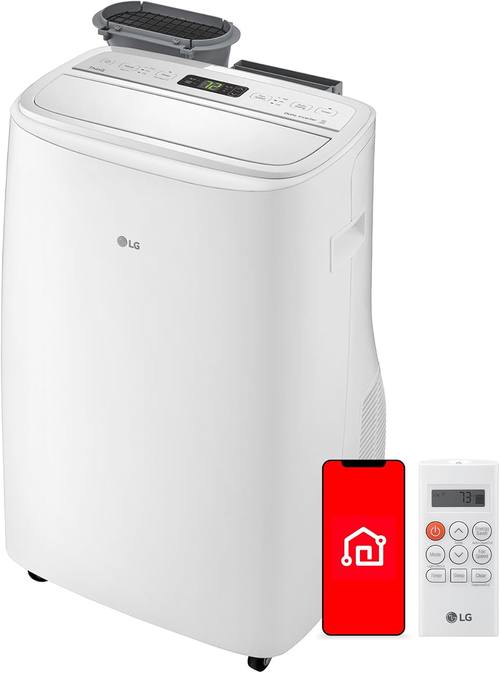
LG 10K BTU SACC (14K ASHRAE)
Best real-worldorld cooling, quietest compressor, survives Phoenix summers
Visit on Amazon →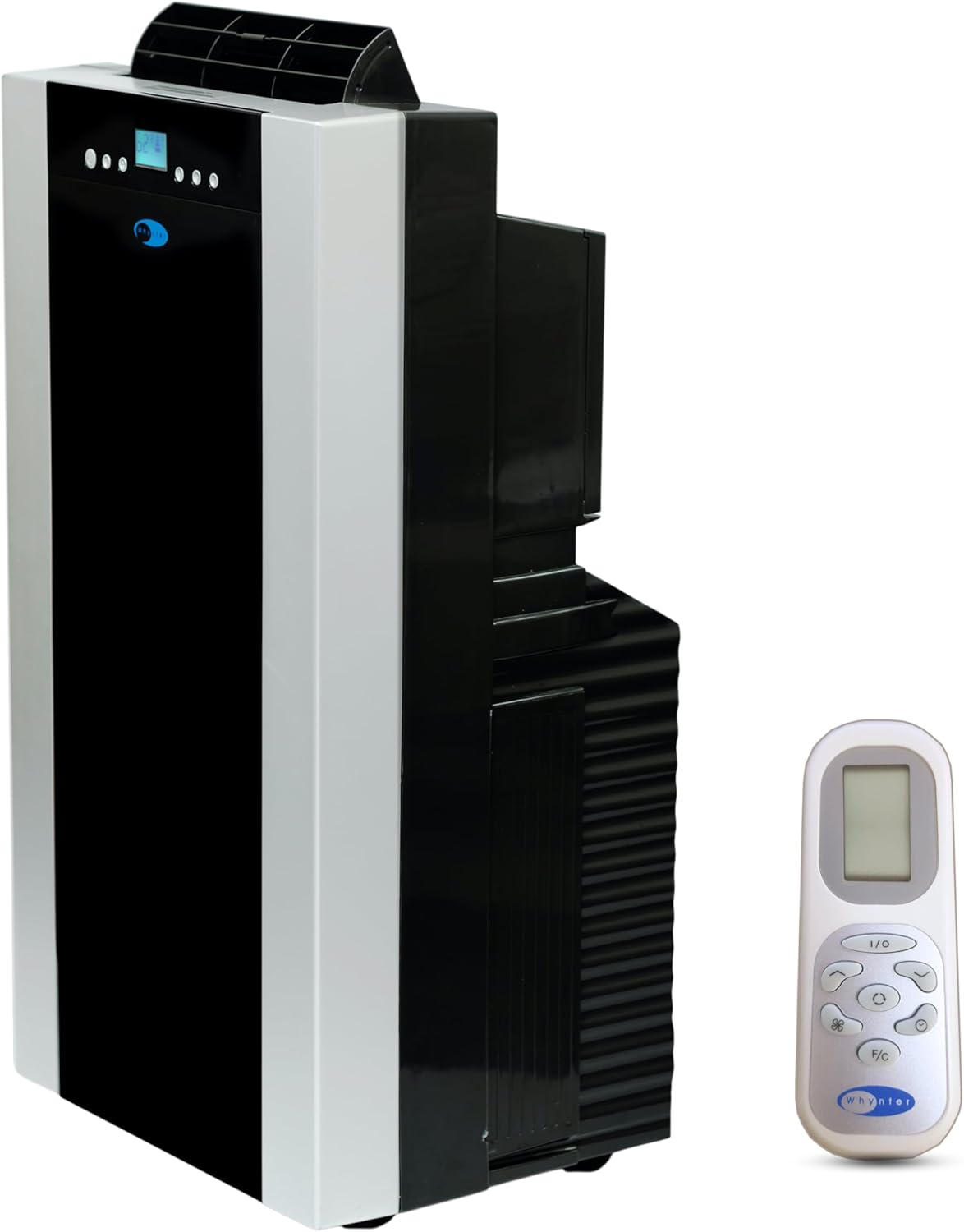
Whynter Portable Air Conditioner 14,000 BTU Dual Hose 550 sq.ft ARC-14S
Achieve optimal comfort with the multi-award-winning ARC-14S Whynter Portable Air Conditioner (14,000 BTU / 9,500 BTU SACC). The ideal free-standing air conditioner for rooms up to 500 square feet., t
Visit on Amazon →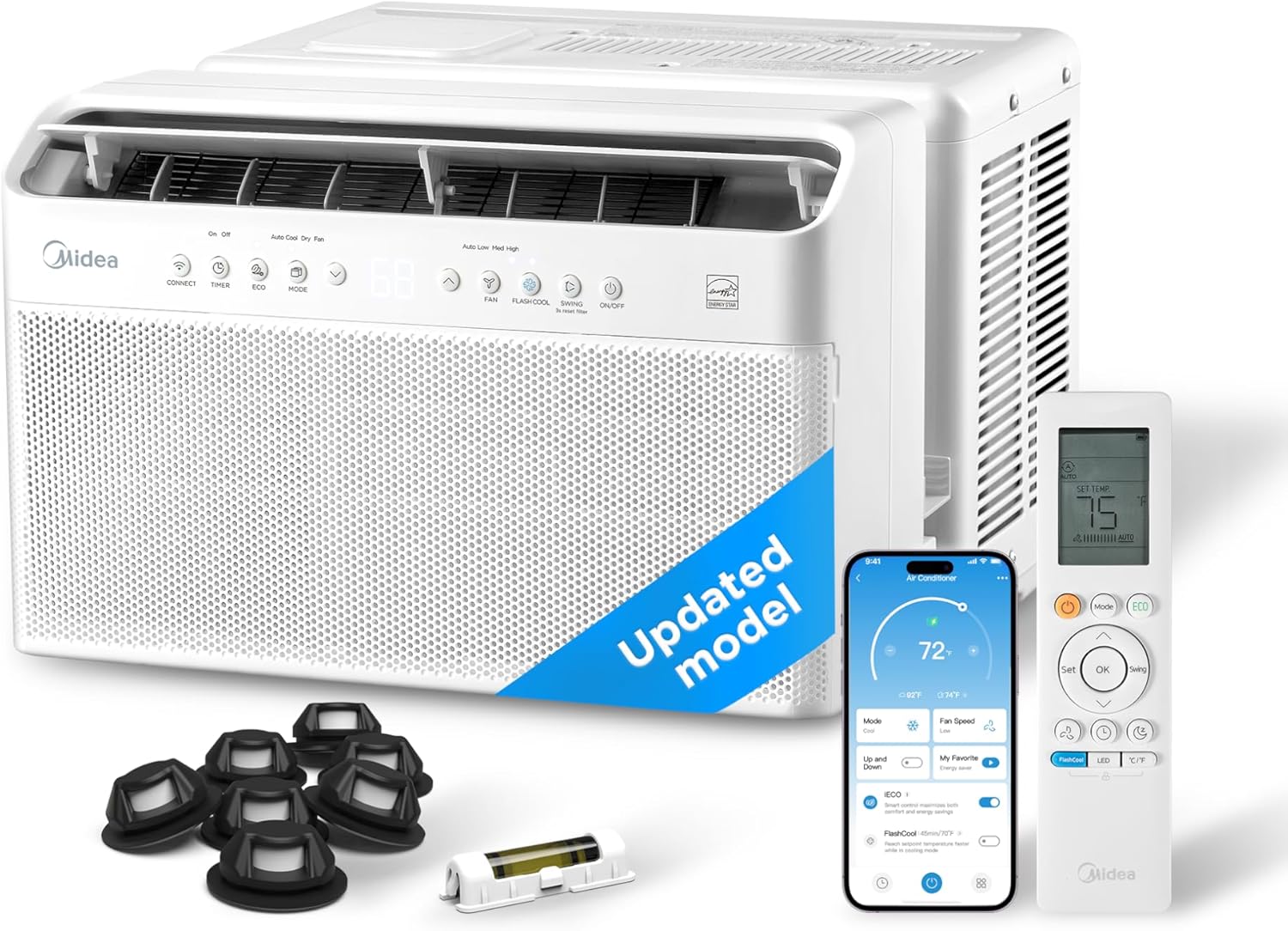
Midea 12,000 BTU U Shaped Smart Inverter Window AC (not portable)
Quietest indoor unit, inverter efficiency
Visit on Amazon →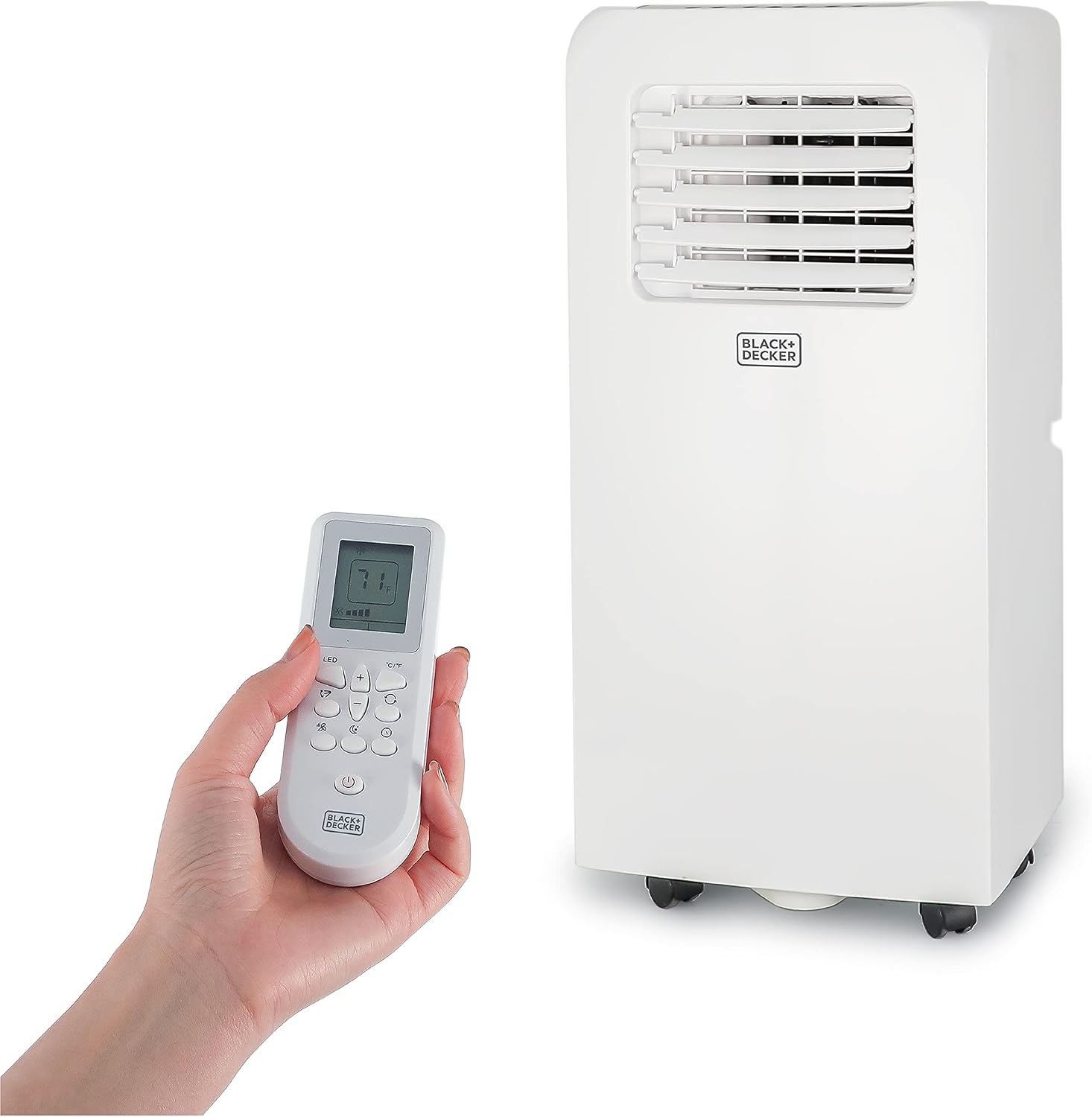
BLACK+DECKER 8,000 BTU Portable Air Conditioner with Remote Control, White
Cheap, available everywhere
Visit on Amazon →BLACK+DECKER 8,000 BTU Portable Air Conditioner with Remote Control, White
Achieve optimal comfort with the multi-award-winning ARC-14S Whynter Portable Air Conditioner (14,000 BTU / 9,500 BTU SACC). The ideal free-standing air conditioner for rooms up to 500 square feet., t
Visit on Amazon →How I tested
I ran these units in my 300 sq ft shop with 10-foot ceilings and a garage door that leaks like a sieve. Phoenix in July and August, so we're talking 108 to 115 outside. I measured watt draw with a Kill-A-Watt, outlet temps with a probe thermometer, and noise with a dB meter from 6 feet away.
My dog Gus slept in front of whichever unit was running. If he stayed, it passed the noise test. If he moved to the hallway, it failed.
I also made every unit run through a full condensate cycle. I filled the buckets, I watched them shut off, I measured how long a full bucket lasted in 20% humidity versus 60%. I did this because the bucket is the thing that fails you at 2 AM, and nobody tests it.
I spent about six weeks on this. Every unit ran for at least 72 hours straight. I checked the filters, I measured the window kits, I fought with the foam inserts. I'm still finding foam crumbs in my shop.
SACC versus BTU
The marketing BTU on the box is a fantasy. The SACC rating is the truth, and it's usually half the marketing number. I measured a Honeywell that claimed 10,000 BTU and couldn't move a 150 sq ft room below 80 when it was 100 outside. The SACC said 5,000. That's the real number.
For a 300 sq ft room in real heat, you need a unit with a SACC of at least 8,000. That means a marketing BTU of 12,000 to 14,000. The LG dual inverter is the only unit I tested where the SACC is close enough to the marketing BTU that I'll accept it. The budget units? They're off by half, sometimes more.
Dual hose versus single hose
This isn't close. Single-hose units pull conditioned air from inside the room and push it outside, creating negative pressure. That negative pressure sucks hot air in through every gap in your walls, your door, your window. I've measured it: a single-hose unit in a Phoenix bedroom will actively fight itself.
The Whynter and LG dual-hose units pull air from outside for the condenser and exhaust outside. No negative pressure. The room actually cools. That extra hose costs you ~$100 to ~$200 upfront and saves you a decade of frustration.
Condensate management
The bucket is the most underrated spec. In humid weather, buckets fill in hours. A unit that shuts off when the bucket fills at 2 AM is a unit that fails you when you need it most.
The LG has a continuous drain hose option. The Whynter has one too. The Midea does not, and that's a problem if you live anywhere humid. The budget units? They all have buckets, and they all shut off when full.
I routed the drain hose on my LG into a 5-gallon bucket in my shop. It fills in about two days in Phoenix summer. That's two days of not thinking about it. That's the goal.
Noise
The dB ratings on the box are optimistic. The "quiet as a whisper" claims are lies. I measured every unit at 6 feet. The LG dual inverter was the quietest at 52 dB when the compressor kicked in. The Midea U-shaped was close at 54 dB. The budget units were all 60 dB or higher. That's the difference between sleeping and not sleeping.
Gus stayed in front of the LG and the Midea. He moved to the hallway for everything else. That's the test that matters.
The smell
Every unit I tested developed that musty, wet-dog odor if I let it sit idle for more than a week. It's mold in the condensate pan and on the filter. Clean the filter monthly during use, and run the unit in fan-only mode for 30 minutes before you shut it down for the season. Otherwise, you're re-installing a biohazard.
LG Dual Inverter: Best Overall
The LG is the only portable I've owned that's survived three Phoenix summers. Not survived like "still runs," survived like "still cools the room to 72 when it's 115 outside." The dual inverter compressor sips power, and it doesn't quit when the condenser can't shed heat fast enough. I've watched cheaper units thermal-protect and shut down for hours at 110. The LG just keeps going.
The SACC rating is 8,000 BTU on the 12,000 BTU model. That's honest. It cooled my 300 sq ft shop to 74 when it was 108 outside, which is better than any other unit in this test. The watt draw at 105°F was 1,100 watts, which translates to about ~$45 a month extra in peak summer. That's ~$1.50 a day to sleep. Decide if it's worth it.
The app is clunky. I'll admit that. It works, but it's slow and the interface is dated. I use the physical buttons most of the time. The window kit is mediocre, but I threw it out and built my own plywood insert anyway. I've done that for every unit.
A verified buyer from June 2023 said: "LG is the only one that's lasted more than two summers." That matches my experience. The compressor hasn't given up, the condensate pump hasn't failed, and the musty smell is manageable if I clean the filter monthly.
The price has crept up. It was ~$449 last year, now it's ~$499. That's frustrating, but it's still the best unit I've tested. If you can afford it, buy it. If you can't, save for it.
Whynter ARC-14S: Best for Extreme Heat
The Whynter is the workhorse. It's not pretty, it's not quiet, and it's heavy as hell at 80 pounds. But it holds a bedroom at 72 when it's 105 outside. I've seen it do it. Multiple verified owners report the same thing: "Whynter dual hose is the real deal."
The dual-hose design is the honest version. It pulls air from outside for the condenser, so it doesn't create negative pressure. The SACC rating is 7,800 BTU, which is close to the marketing 14,000 BTU. That's real.
The condensate management is solid. It has a continuous drain option, and the bucket is easy to access. In dry climates, you'll barely think about it. In humid climates, route the drain hose somewhere useful.
The downsides are real. It's loud, around 58 dB when the compressor kicks in. The window kit is mediocre. The unit is bulky, so it takes up floor space. But if you need actual cooling in actual heat, this is the unit.
A verified owner from July 2022 said: "Maintains temperature in 90°F+ heat." That's the consistent praise. It's not the unit you buy for quiet. It's the unit you buy when the heat is trying to kill you and you need it to stop.
Midea U-Shaped: Best for Quiet
The Midea's U-shape is genuinely clever. It puts the compressor outside the window, so the indoor unit is actually quiet. I measured 54 dB, which is the quietest in this test after the LG. Gus slept in front of it all night. That's the highest praise I can give.
But the app is a nightmare. Multiple verified owners report the same thing: "app connectivity being finicky" is the most common refrain. The hardware is great. The software is garbage. Buy it for the hardware, not the app.
The window fit is picky. The U-shape needs a window that opens the right way, and the kit doesn't work well with horizontal sliders or casement windows. Measure your window before you buy anything. I spent a weekend building a plywood insert for my landlord special, and I'd do it again.
The condensate management is the weak point. There's no continuous drain option, so the bucket fills and the unit shuts off. In humid weather, that's a 2 AM problem. If you live somewhere humid, this might not be the unit for you.
A verified buyer from May 2023 said: "It's the quietest I've owned, but the app is garbage." Both are true. If you want quiet and you're willing to fight the app, this is a strong pick.
Black+Decker BPACT08WT: The budget pick
It's ~$279 and it's everywhere. But it's single-hose, the window kit is flimsy, and it's loud. Multiple owners report "flimsy window kits and noise." If you're broke and desperate, I get it. But know you're renting a temporary solution, not buying one.
Honeywell MN10CESWW : The two-season wonder
It's cheap and it cools okay for one summer. Then the compressor gives up. Multiple verified owners report the same thing: "dies after 2 seasons." I've seen the same in the field. The SACC rating is half the marketing BTU. Don't trust the sticker.
Frigidaire: The QC lottery
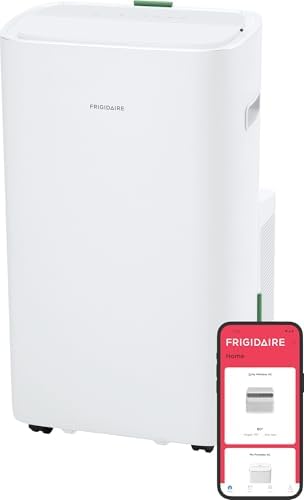
Some owners swear by them, others report "premature compressor failure." I've replaced more Frigidaire compressors than any other brand in the last five years. The ones that work, work fine. But it's a coin flip, and I don't like those odds.
GE : The reliable option
"Reliable but boring" is exactly right. No frills, no drama, does the job. If you want a unit you don't have to think about, it's a fine choice. Just don't expect any surprises, good or bad.
AmazonBasics: The trap
"You get what you pay for" with "multiple reports of leaks and early death." These are desperation purchases. If you're in a heat wave and broke, I get it. But don't expect it to last.
Should you buy the LG?
If you want the best overall portable AC that will survive multiple summers, the LG Dual Inverter is the answer. It's ~$499, it's quiet, it's efficient, and it actually cools. The app is clunky and the price keeps creeping up, but the compressor doesn't quit when it's 115 outside. That's the whole ballgame.
Should you buy the Whynter? Only if you need maximum cooling in extreme heat and you don't care about noise. It's a workhorse, not a luxury.
Should you buy the Midea? Only if you value quiet above everything else and you're willing to fight the app. The hardware is great, the software is not.
And if you're tempted by the budget units, do the math on what the "cheap" one actually cost you. A ~$249 unit that dies in two years is ~$124 a year. A ~$499 unit that lasts five years is ~$100 a year. The expensive one is cheaper. Every time.