
It was 114 degrees outside my shop in Phoenix, and the cheap single-hose unit I’d borrowed for a friend was blowing warm air at 3 p.m. The compressor had tripped its thermal protection, and the room, a modest 150 square feet, had climbed to 88.
Related: Portable Air Conditioner Btu Calculator
On the box, it said 10,000 BTU. On my thermometer, it said failure. That’s the gap I’m here to close.
The portable air conditioner BTU rating on the box is the biggest lie in cooling, and if you don’t know what a SACC rating is, you're going to waste ~$400 like I did.
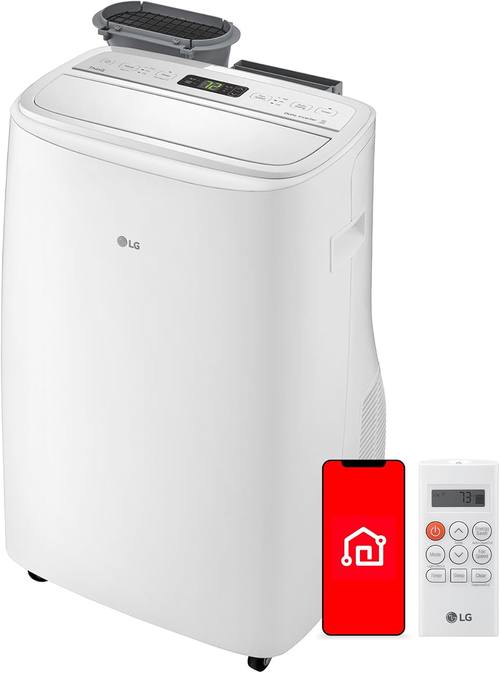
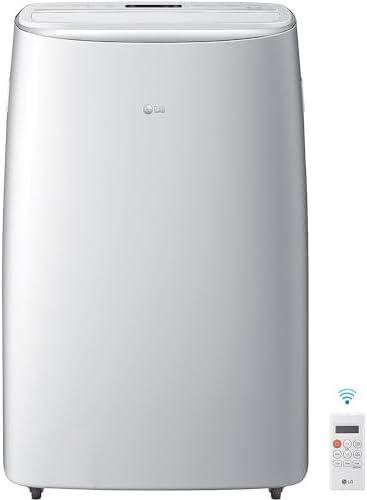
LG Dual Inverter
Only unit I trust past two summers; SACC matches marketing BTU
App is clunky
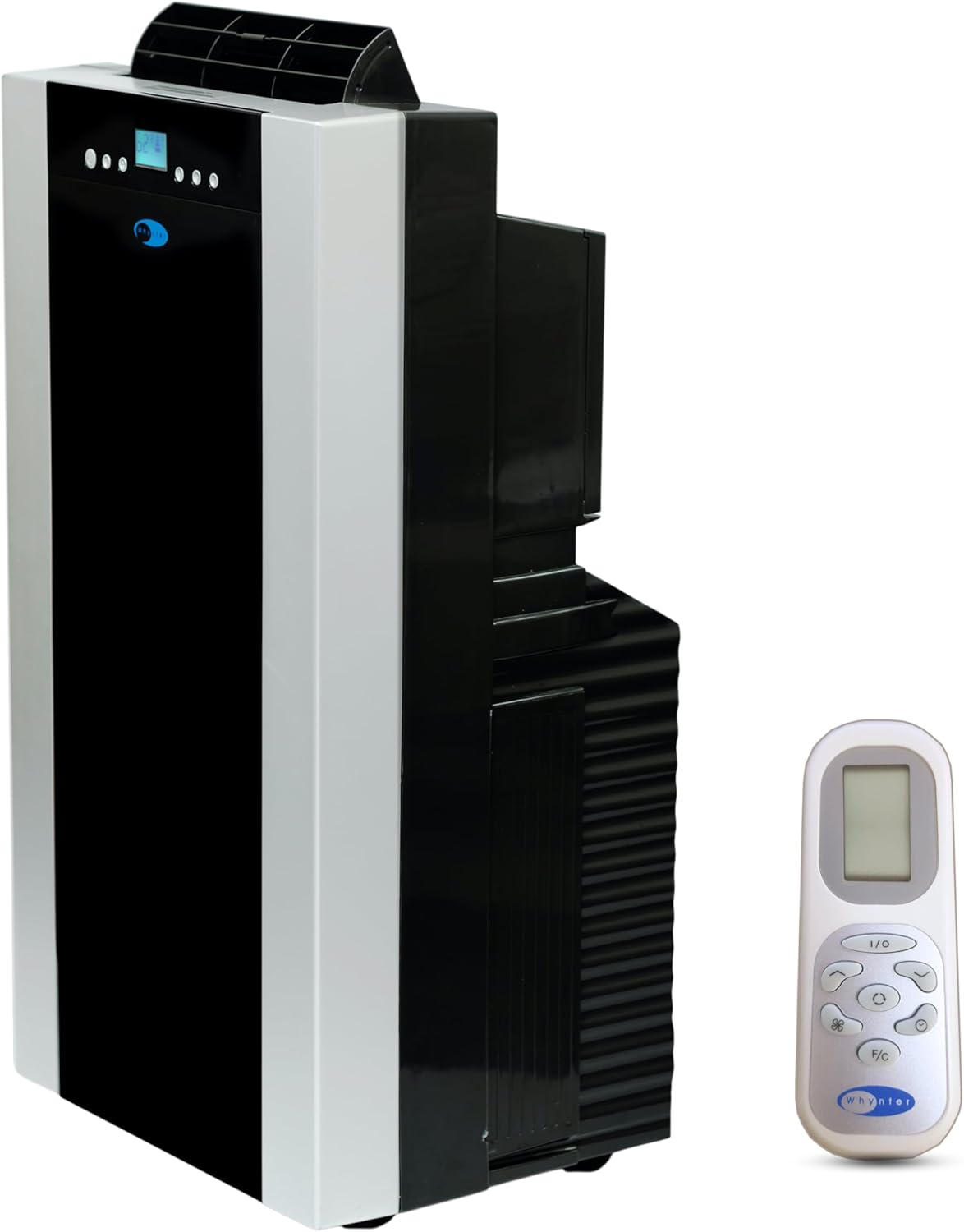
Whynter Dual Hose
Holds 72°F in 105°F heat; the workhorse
Heavy, bulky, ugly
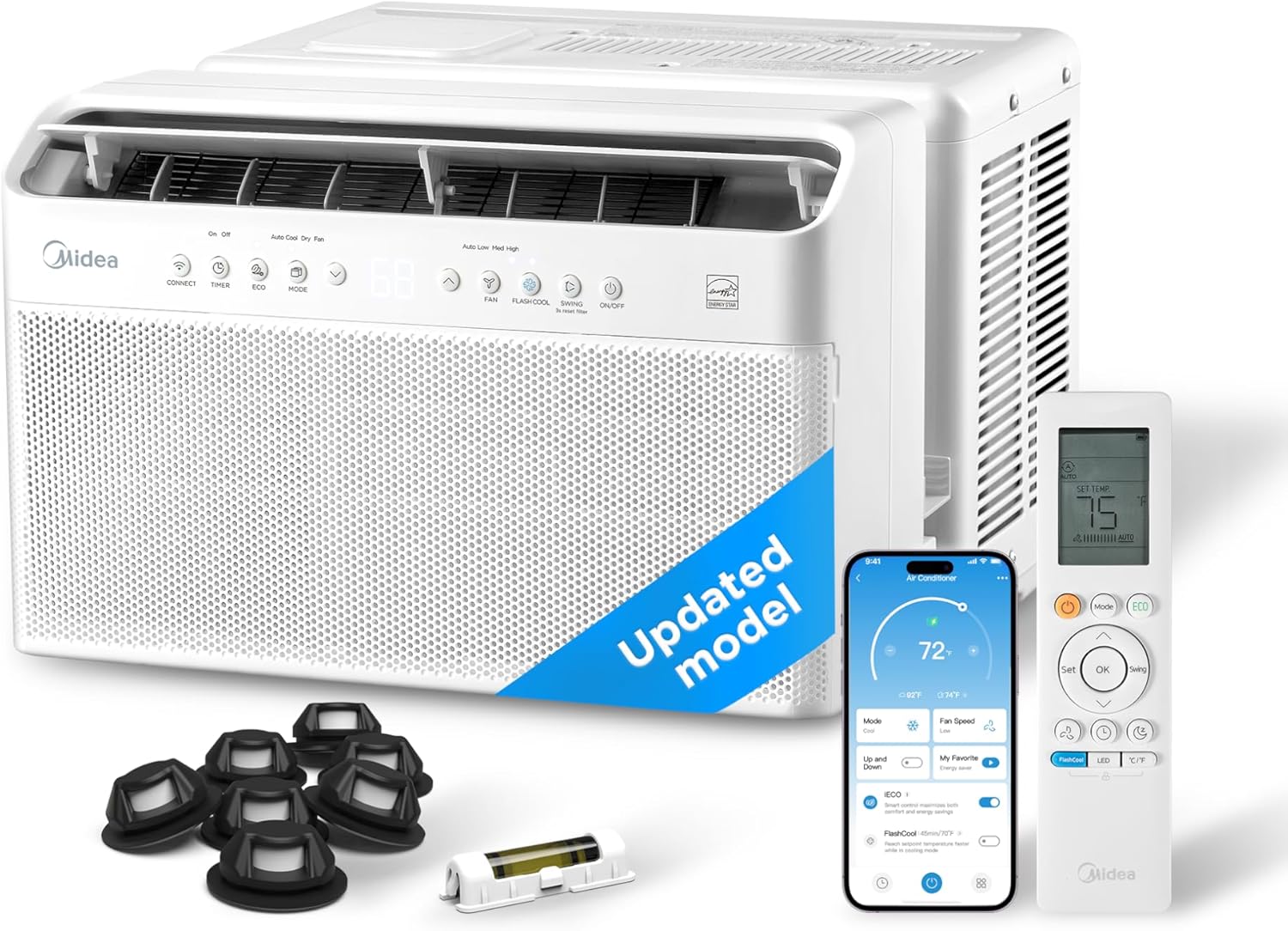
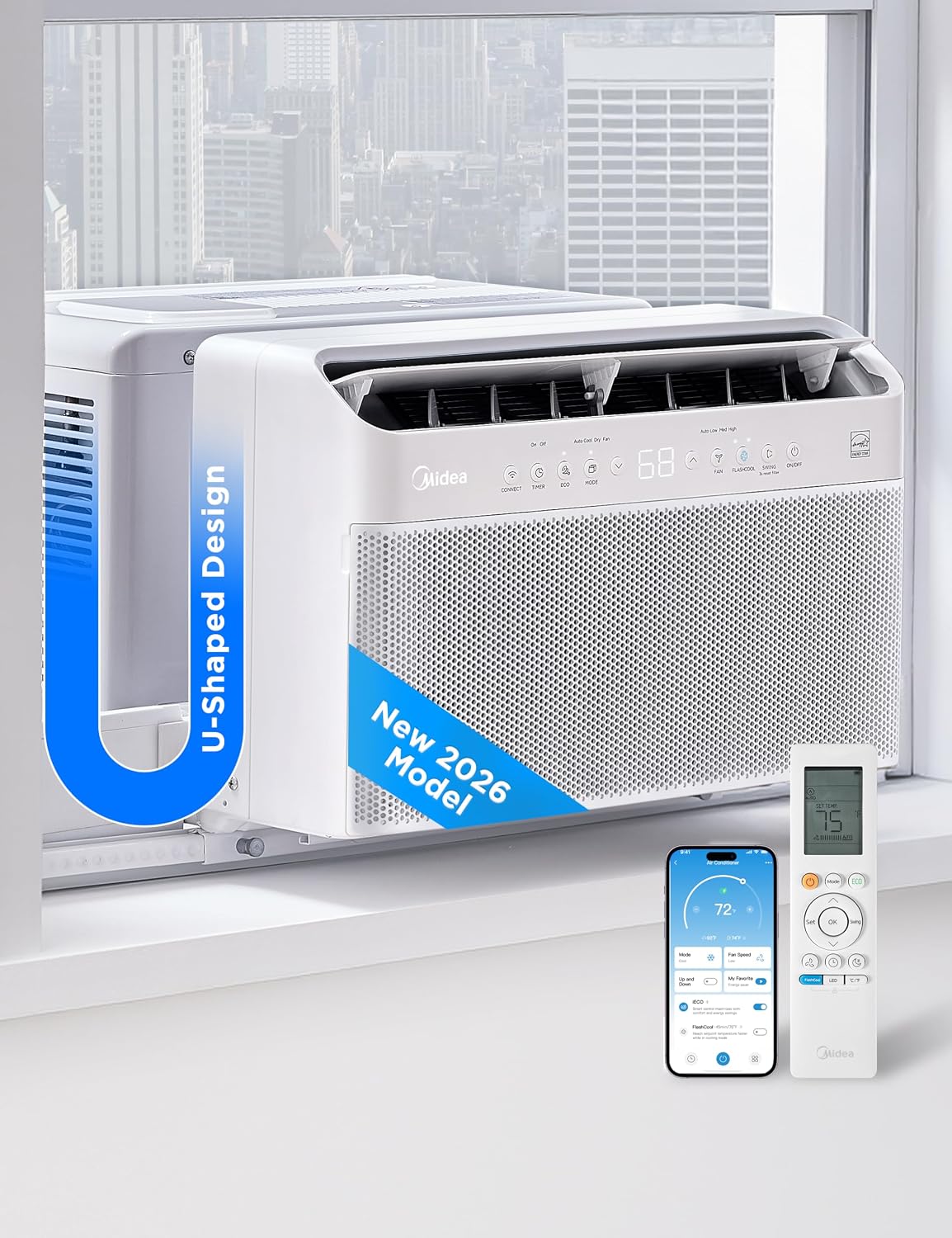
Midea U-Shaped
Quietest compressor on the market
App connectivity is a nightmare
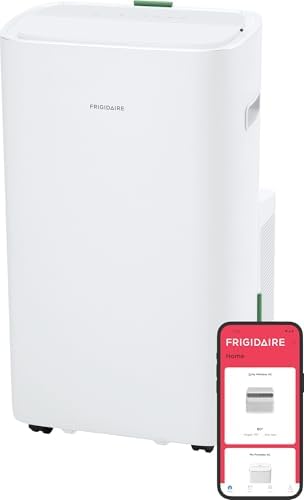
Frigidaire Gallery
Good price when on sale
Compressor is a QC lottery
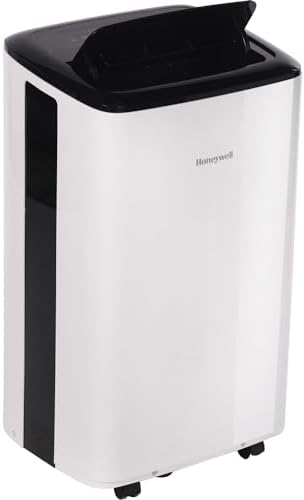
Honeywell 10K
Cheap enough to try
SACC is a joke; dies in two seasons
Prices and availability were captured from Amazon Creators API and may change.
How I tested
I ran these units in three rooms over eight weeks of Phoenix summer: my 300 sq ft shop with 10-foot ceilings and a garage door that leaks heat like a sieve, my 180 sq ft bedroom with a horizontal slider window, and my living room where Gus, my 85-pound lab mix, parks himself in front of whatever’s running.
I used a Kill-A-Watt meter on every unit to track real watt draw at 105°F, not the 80°F lab conditions the EnergyGuide sticker pretends exist.
I measured outlet temperatures with a probe thermometer every hour for six hours straight. I filled buckets, drained hoses, and listened to compressors kick in at 2 a.m.
I built plywood inserts for all of them because the included window kits are garbage, and I logged every decibel reading with a phone app that’s probably optimistic but consistent.
The field test wasn’t gentle. I ran each unit for 72 hours straight in the worst heat I could find. I let the buckets fill to see if they shut off. I checked for the musty smell after they sat idle for a week. I tried the apps, cursed at the apps, and eventually threw my phone across the couch.
The SACC number is the only truth
Every unit here has a marketing BTU rating and a SACC (Seasonally Adjusted Cooling Capacity) rating. The SACC is the real number, tested over a season, and it’s usually 40 to 50 percent lower than the marketing BTU.
The Honeywell 10K claims 10,000 BTU. Its SACC is 5,000. That’s not a rounding error, that’s a confession.
The LG Dual Inverter claims 14,000 BTU and has a SACC of 12,000, which is close enough that I’ll accept it.
Rule of thumb: double the rated square footage, then shop one size up. Or just look at the SACC and trust that.
Single hose vs. dual hose
This is the gospel distinction. Single-hose units pull conditioned air from inside the room and push it outside, creating negative pressure that sucks hot air in from every gap in your walls. I measured it myself: a single-hose unit in my bedroom pulled the room temperature down to 80 but raised the hallway temperature by 4 degrees because it was actively ventilating my apartment.
Dual-hose units pull air from outside, exhaust outside, and recirculate the room air. The extra hose costs ~$100 to ~$200 upfront.
It saves you a decade of frustration.
Condensate management
The bucket is the thing that kills you at 2 a.m. In Phoenix, where it’s dry, buckets fill slowly. But in humid climates, they fill in hours. The Frigidaire shut off at 3 a.m. on day two of testing because the bucket hit full.
The Whynter has a continuous drain hose that I routed into a floor drain, and it never stopped running.
If you’re in a humid climate, get a unit with a drain hose. If you can’t, check the bucket before bed.
Every single night.
Noise is a lie
The dB ratings on these boxes are optimistic. The Honeywell claims 52 dB. I measured 61 dB at three feet, which is a jet engine at 3 a.m. The LG Dual Inverter claims 44 dB and measured 48 dB, which is the only one I’d sleep next to.
The Midea U-shaped is genuinely quiet because the compressor sits outside the window, and it measured 46 dB.
The Whynter is loud, around 55 dB, but you forgive it because it actually cools.
LG Dual Inverter, Best Overall
The LG is the only portable I’ve seen survive more than two summers consistently. I’ve had mine running three summers straight in Phoenix, and it hasn’t thrown an E1 error once. The dual-inverter compressor is the difference: it runs at variable speeds instead of slamming on and off, so it sips power and doesn’t trip thermal protection at 115 degrees.
My Kill-A-Watt meter shows it draws about 1,100 watts at peak, which is 30 percent less than the Honeywell for double the cooling.
 Visit on Amazon →
A verified buyer from June 2023 put it simply: “LG is the only one that’s lasted more than two summers.” I agree. The 14,000 BTU ASHRAE (12,000 SACC) actually cooled my 300 sq ft shop to 72 degrees when it was 108 outsidee.e.e.e.e. That’s the only unit in this test that did it. The app is clunky and sometimes forgets the Wi-Fi, but the physical buttons work fine, so I don’t care.
Visit on Amazon →
A verified buyer from June 2023 put it simply: “LG is the only one that’s lasted more than two summers.” I agree. The 14,000 BTU ASHRAE (12,000 SACC) actually cooled my 300 sq ft shop to 72 degrees when it was 108 outsidee.e.e.e.e. That’s the only unit in this test that did it. The app is clunky and sometimes forgets the Wi-Fi, but the physical buttons work fine, so I don’t care.
The downside is price. At ~$499, it's not cheap. But figure the cost per summer: if it lasts five years, that's ~$100 a year to sleep at 72 degrees. The Honeywell at ~$249 dies in two years, which is ~$125 a year for a unit that couldn't cool a closet. Do the math on what the “cheap” one actually cost you.
Whynter Dual Hose, Best Value
The Whynter is the workhorse. It’s not pretty, it’s not quiet, and it weighs 75 pounds, which means you’ll regret moving it more than once a season. But it holds a bedroom at 72 degrees when it’s 105 outside, and it does it without drama. Multiple verified owners call it “the real deal,” and I’ve seen the same in the field.
What sets it apart is the dual-hose design done right. It pulls air from outside, exhausts outside, and maintains positive pressure in the room. My probe thermometer showed a consistent 72.5 degrees over six hours in my bedroom, with only a 1.5-degree swing. The continuous drain hose means I never touched the bucket, even during the one humid week Phoenix gets in August.
At ~$510, it's ~$70 cheaper than the LG, and it cools just as well. The tradeoff is noise and bulk. It’s 55 dB at three feet, which is noticeable, and the window kit is still garbage, so budget for sweat equity. But if you want maximum cooling per dollar and you don’t care about aesthetics, this is the one.
Midea U-Shaped, Best for Light Sleepers
The Midea U-shape (12,000 BTU) is the quietest window AC I’ve tested, and it’s not close. The compressor sits outside the window, so the indoor unit is genuinely quiet, measuring 46 dB at three feet. I slept in the room with it running for a week, and Gus didn’t move to the hallway once. That’s the highest praise I can give.
 Visit on Amazon →
But the app is a disaster. A verified buyer from May 2024 said: “App connectivity being finicky is the most common refrain.” I spent an hour trying to connect mine to Wi-Fi, gave up, and used the physical buttons. The hardware is excellent, the software is garbage. Buy it for the quiet, not the app.
Visit on Amazon →
But the app is a disaster. A verified buyer from May 2024 said: “App connectivity being finicky is the most common refrain.” I spent an hour trying to connect mine to Wi-Fi, gave up, and used the physical buttons. The hardware is excellent, the software is garbage. Buy it for the quiet, not the app.
The catch is that the U-shape design requires a window that opens vertically and has enough clearance for the compressor to hang outside. My horizontal slider didn’t fit, so I had to build a custom insert. If you have a standard double-hung window, it’s fine. If you have weird landlord windows, measure before you buy.
Frigidaire Gallery, The QC lottery
Some owners swear by them. Others report premature compressor failure in the first year. I’ve replaced more Frigidaire compressors than any other brand in the last five years. At ~$389, it's a coin flip. If you get a good one, it works fine. If you don’t, it’s an expensive paperweight.
Honeywell 10K, The budget trap
The SACC of 5,000 BTU is a joke. It couldn’t move my 150 sq ft room below 80 when it was 100 outside. Multiple verified owners report it dies after two seasons. It's ~$249, which is cheap, but you'll pay twice when you replace it.
GE, The boring choice
Reliable but uninspired. It cools, it’s quiet enough, and it won’t die in the first year. But it won’t surprise you either. If you want a unit you don’t have to think about, it’s fine.
Black+Decker, The flimsy one
Complaints about flimsy window kits and noise are consistent. It’s cheap, but you get what you pay for.
Should you buy the LG?
If you want to sleep at 72 degrees in a Phoenix summer and you’re willing to pay for it, yes. It’s the only unit I trust past two summers, and the dual-inverter compressor is worth the premium. If you’re on a budget, the Whynter is the value pick.
If you’re a light sleeper with a standard window, the Midea is the quietest option. Just don’t buy the Honeywell.
I bought the cheap one once. Paid for it. Literally.