I have spent eighteen years as an HVAC tech, most of them in Phoenix, which means I have watched a lot of portable air conditioners get bought in a panic in July and parked in a garage by September. This portable air conditioner comparison is the version of the conversation I have on the phone with customers: the sticker on the box is a suggestion, the SACC rating is closer to the truth, and the drain situation is the thing nobody asks about until they are emptying a bucket at 2 a.m.
The short answer: for a bedroom in the 300 to 350 square foot range, the Midea 12,000 BTU unit is where I would start, because the capacity claim matches the room size instead of overselling it. If you need to move real air in an open living space, the Garvee 14,000 BTU unit is the only one here that claims 750 square feet and the only one that publishes a SACC number next to the marketing BTU. The SereneLife is the small-room entry point. And the Honeywell filter four-pack is not an air conditioner at all, which I will explain, because it earned a spot in this comparison anyway.
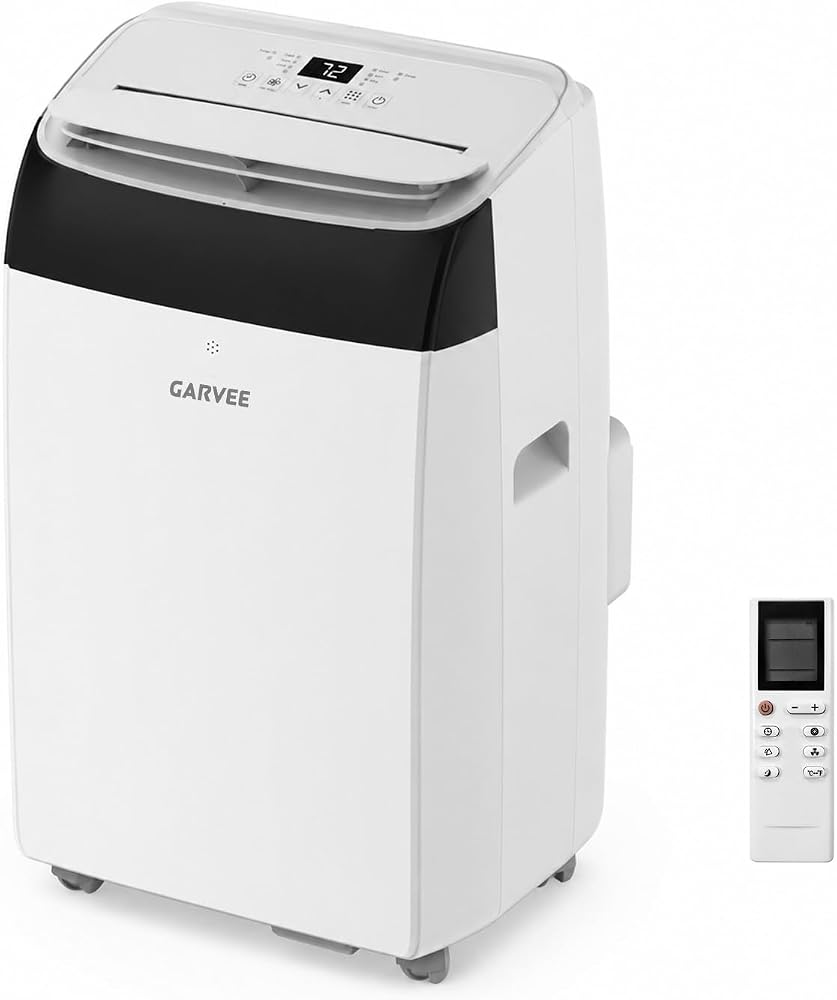
Garvee 3-in-1 Portable Air Conditioner, 14000 BTU (10200 BTU SACC)
Publishes a SACC rating next to the marketing BTU, the only unit here that does, and the only one claiming 750 sq ft of coverage
Three modes mean more to go wrong, and it is the largest and heaviest box in this group
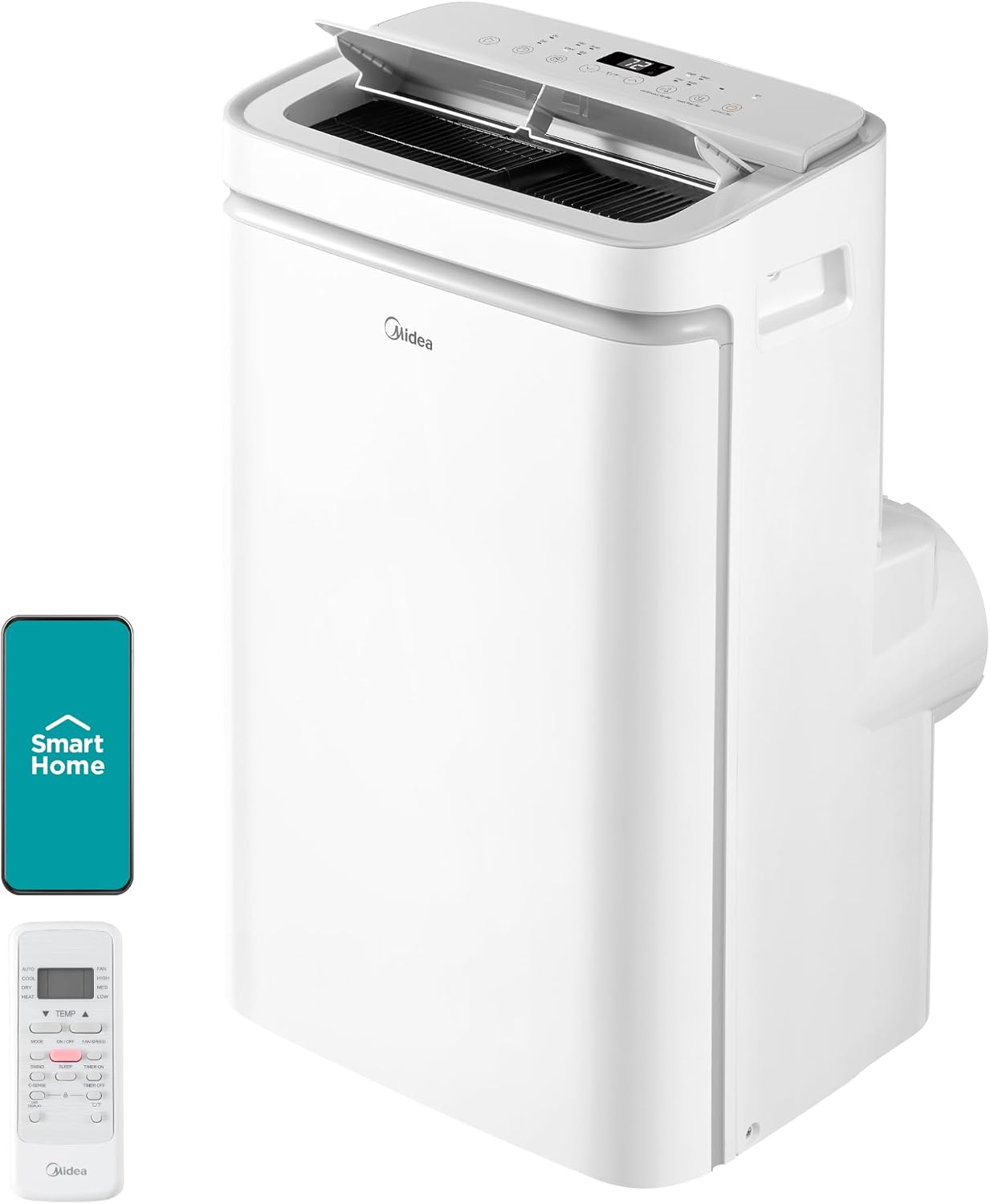
Midea 12,000 BTU ASHRAE Portable Air Conditioner, Cools up to 350 Sq. Ft.
The most believable capacity-to-room match here, and Midea builds compressors for a large slice of this category
The title leads with the ASHRAE number only, so you have to hunt for the SACC figure before you can compare it fairly
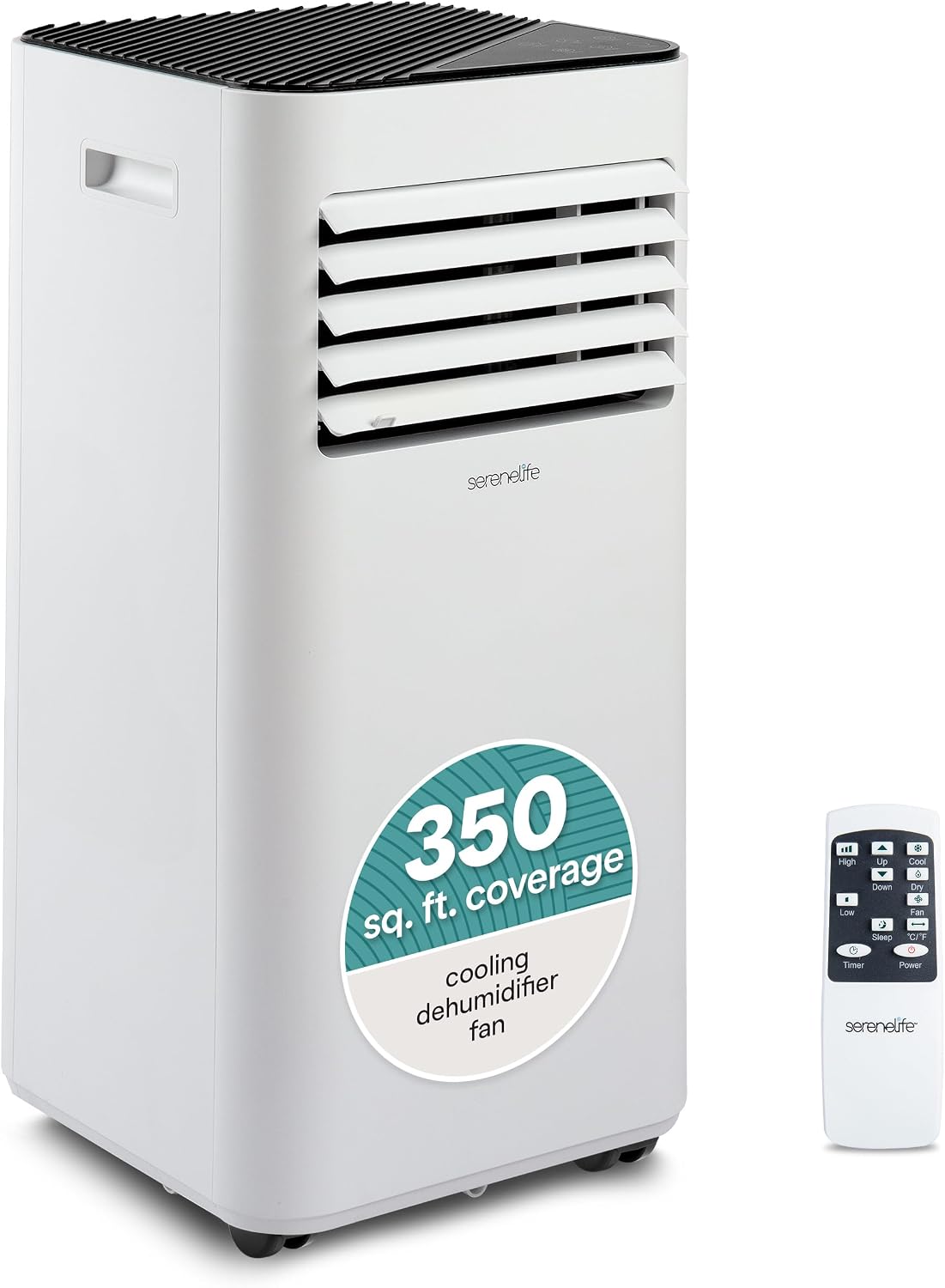
SereneLife Portable Air Conditioner 8,000 BTU with Built-in Dehumidifier
Lowest entry point of the group, with a built-in dehumidifier and a window mount exhaust kit in the box
8,000 BTU is the smallest number here, and 350 sq ft is the ceiling of what a unit this size can reach, not the target

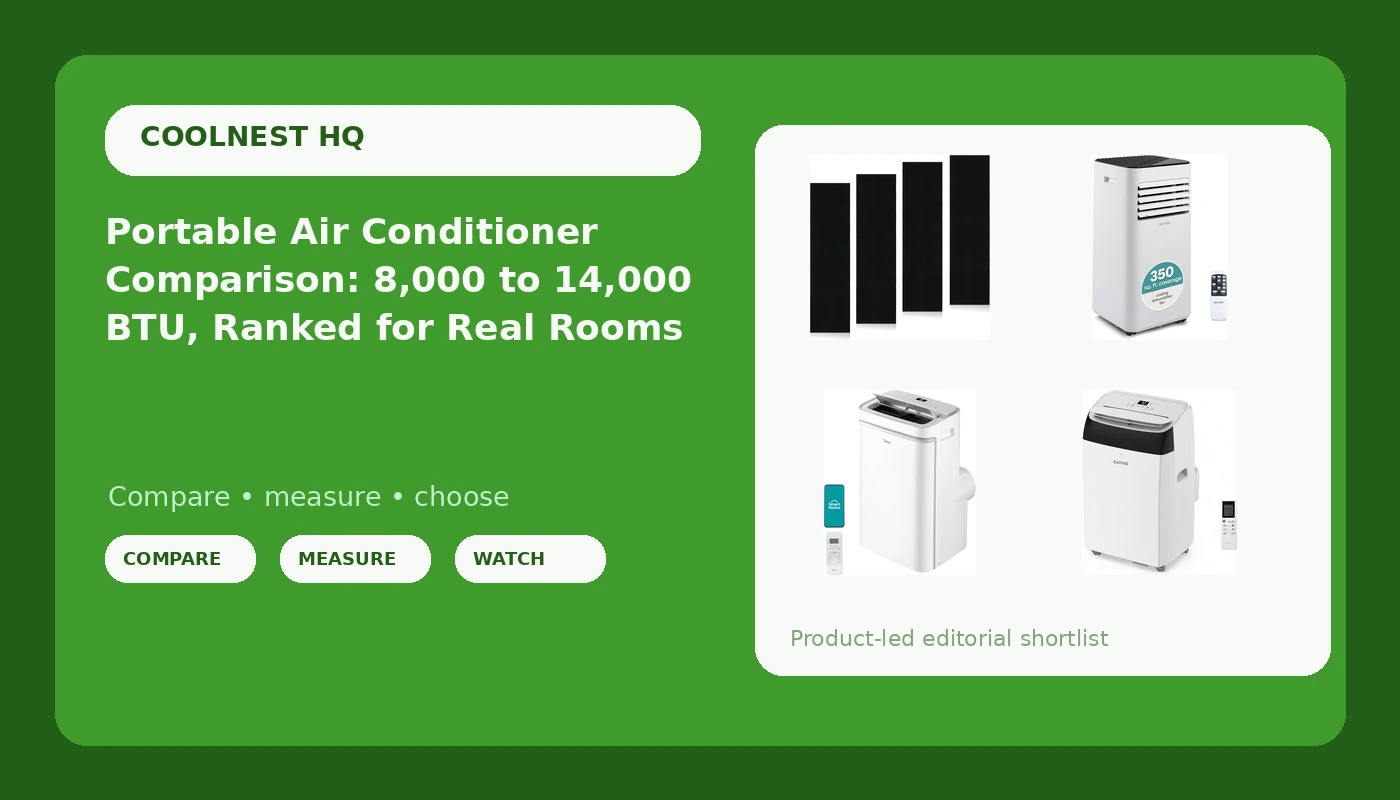
4 Pack HRF-B1 Air Purifier Filter Replacement for Honeywell
Four filters in one box keeps a Honeywell air purifier running through a dust season without a reorder every month
It is a consumable, not a cooling appliance. It will not drop the temperature in any room by a single degree
Prices and availability were captured from Amazon Creators API and may change.
How I judge a portable AC, in four questions
Every unit I look at gets the same four questions, and none of them involve the marketing sticker on the front of the box.
One: what is the SACC rating? Since the DOE changed the testing standard in 2020, portable air conditioners are supposed to carry a SACC number, which is a tested cooling figure under conditions closer to a real room than a lab bench. When a listing gives you only an ASHRAE BTU number, you are comparing a sales pitch to a measurement. The Garvee listing is the only one in this group that hands you both numbers without making you dig.
Two: single hose or dual hose? A single-hose portable pulls air out of your room, pushes it across the condenser, and dumps it outside. That air has to be replaced from somewhere, and it gets replaced by hot outside air pulled through every gap in your walls and doors. A dual-hose unit pulls outside air in through one hose and exhausts through the other, so it is not fighting itself. None of the listings in this comparison call out a dual-hose design, so that is the first question I would put to a seller before I spent money.
Three: how does it handle condensate? Every portable pulls water out of the air. The question is where that water goes. Some units evaporate it off the condenser coil and never ask you for anything. Some need a gravity drain hose running downhill to a floor drain. Some collect it in a bucket you empty. In Phoenix, in a dry August, most people get away with a bucket. In Houston, that same unit is a part-time job.
Four: would I sleep in the room with it running? Noise is a spec, even when the manufacturer refuses to publish it. A fan on low and a compressor kicking on are two completely different sounds, and the second one is what wakes you up at 3 a.m.
Reading the BTU numbers without getting fooled
Here is the pattern that repeats every summer. A box says 12,000 BTU. The room is 200 square feet. The room does not get cool. The owner assumes portables are junk. The truth is that the box was never describing the same thing the room needed.
ASHRAE numbers describe performance under lab conditions that flatter the machine. SACC numbers describe something closer to your bedroom, and they are usually a good deal lower than the ASHRAE number on the same carton. That gap is not a scandal, it is just physics, but it does mean you should compare SACC to SACC whenever you can get it.
The Garvee title gives you both: 14,000 BTU, with 10,200 BTU SACC in parentheses. That is the most honest piece of marketing copy in this comparison, and it is the reason the unit sits at the top of my list for larger rooms despite being the least famous brand here. The Midea title gives you 12,000 BTU ASHRAE and a 350 square foot claim. The SereneLife gives you 8,000 BTU and the same 350 square foot ceiling. Notice that two very different capacity numbers are attached to the same room size. That is the whole problem in one sentence.
Square footage claims are marketing too. A portable air conditioner is a space cooler, not a whole-home system, and it works best when it is allowed to own one room with the doors closed. If you buy a 750 square foot claim and expect it to cool a 750 square foot open floor plan with a kitchen at one end, you will be disappointed, and it will not be the machine's fault.
Garvee 3-in-1 Portable Air Conditioner, 14000 BTU (10200 BTU SACC)
This is the unit for someone who needs to cool more than a bedroom. Three functions in one cabinet, cooling plus dehumidifier plus fan, a window kit and a remote in the box, and a 750 square foot coverage claim that is the largest in this group.
What it wins on is disclosure. A 10,200 BTU SACC rating tells me the company is at least aware of how portables are actually rated, and it lets me compare this machine to others on equal footing instead of guessing. If you have a living room or a home office that gets brutal afternoon sun, this is the one here with the headroom to matter.
What to watch: three modes in one chassis means three systems that can develop a fault, and this is the biggest and heaviest unit in the comparison, so plan the window location before it arrives. The remote is another consideration. I have never met a portable AC remote that did not want a clear line of sight to the unit, and this one is no exception.
Midea 12,000 BTU ASHRAE Portable Air Conditioner
Midea is one of the largest compressor manufacturers on the planet, and a lot of the portables sold under other names are running hardware that came out of a Midea plant. That matters more than any feature list, because the compressor is the part that decides whether a portable lasts five summers or two.
The claim here is 12,000 BTU ASHRAE and coverage up to 350 square feet, which is a sane pairing for a primary bedroom. It is the middle of this group on capacity, and in my experience that middle is where most people actually live: a room big enough that an 8,000 BTU unit has to run flat out all day, small enough that a 14,000 BTU unit is money you did not need to spend.
The caveat is in the title itself. ASHRAE only, no SACC alongside it. Before you compare this against the Garvee, find the SACC number, because that is the number that describes the room you are sitting in. Also confirm whether you are getting a dehumidifier mode, since the listing leads with cooling and the title does not promise anything else.
SereneLife 8,000 BTU Portable Air Conditioner with Built-in Dehumidifier
This is the entry point, and there is nothing wrong with that. A built-in dehumidifier, a window mount exhaust kit, and a remote are all in the box, and the unit is sized for a bedroom, a dorm room, or a small home office where you need the edge taken off rather than a full arctic blast.
The honest read on the coverage claim: 350 square feet is the top of what 8,000 BTU can touch, and that is with a closed door, decent insulation, and blinds down in the afternoon. Put this in a 200 square foot bedroom and it will do its job. Put it in a 350 square foot room with west-facing windows in Arizona and it will run continuously and lose ground between 3 and 6 p.m.
The built-in dehumidifier is a genuine plus for a basement office or a coastal apartment. Just remember that dehumidifying and cooling are different jobs, and a small unit doing both at once is doing neither at full strength.
The odd one out: the Honeywell HRF-B1 filter four-pack
This is not an air conditioner. It cools nothing. It is a four-pack of replacement air purifier filters made for Honeywell units, and it is in this comparison because filtration and cooling are the same conversation in a sealed room.
Here is the connection. Once you close the windows and start recirculating air through a portable AC, every bit of dust, pollen, and pet hair in that room is cycling through the same air, over and over. If you already run a Honeywell air purifier in the bedroom, a four-pack keeps it working through a dust season without a reorder every few weeks. If you do not own a Honeywell purifier, this is not for you, and no filter is a substitute for cooling.
Buy it as a consumable alongside a cooling purchase, not instead of one.
Condensate is the part that decides whether you regret the purchase
I will say this as plainly as I can: the drain situation decides the review. A portable AC that cools beautifully and needs its bucket emptied every four hours is a job, not an appliance. You will skip a night, the bucket will overflow, and you will be mopping at midnight.
There are three ways a portable handles water. The best designs splash condensate onto the hot condenser coil and evaporate it away, so you never touch anything. The next best gives you a gravity drain port so you can run a hose downhill to a floor drain or outside. The worst gives you a bucket and a warning light.
Before you buy any of these, look at where the water goes and where you could route a hose. In dry heat you will produce less condensate than you expect. In humid heat you will produce more than you believe. This is also why I tell people in humid climates to size up rather than down: a bigger unit that cycles will manage moisture better than a small unit that runs wide open all day.
Noise, and the sleep test
Nobody publishes a usable noise spec on a portable AC, so here is how I think about it instead. Fan noise is steady and easy to sleep through. Compressor noise is a rumble that starts and stops, and that start-stop is what wakes people up.
A unit with an inverter compressor modulates up and down instead of slamming on and off, which makes it both quieter and more efficient. If a listing does not tell you what kind of compressor is inside, ask. If you are putting this in a bedroom and the answer is vague, buy from a seller with a return window and sleep next to it for a week before you commit.
My rule is simple. If I would not sleep in the room with it running, I do not recommend it for a bedroom, no matter how good the cooling numbers look on paper.
Which one for which room
A bedroom under 250 square feet: the SereneLife 8,000 BTU unit. Enough capacity, a dehumidifier mode included, and the lowest entry cost here.
A primary bedroom in the 300 to 350 square foot range: the Midea 12,000 BTU unit. The capacity and the room size line up, and the brand has a real compressor pedigree.
An open living space or a room with punishing afternoon sun: the Garvee 14,000 BTU unit. It is the only one here claiming 750 square feet, and the 10,200 BTU SACC disclosure means you know what you are buying.
You already own a Honeywell air purifier: add the HRF-B1 four-pack to the order and keep the air in that sealed room clean while the AC runs.
What I would do with my own money
If I were buying for my own rental, I would start with the Midea for the bedroom, because the capacity claim matches the space instead of inflating it, and I would put the Garvee in the living room where the extra capacity and the dehumidifier mode earn their keep. I would buy the SereneLife only for a genuinely small room, and I would treat the 350 square foot figure as a limit rather than a promise.
Whatever you pick, do three things before the box arrives. Measure the room with the door closed. Figure out where the exhaust goes and whether the window kit will fit that window. And decide where the water goes, because that single detail is the difference between a cool summer and a chore you resent by August.