After two Phoenix summers with a 115-degree stretch that melted the glue on my shop's workbench, I can tell you exactly which cooling technology keeps a bedroom livable and which one turns your electric bill into a donation.
The short version: if you live somewhere humid, an evaporative cooler is a swampy mistake. If you live in the desert, it might be the cheapest sleep you'll ever buy.
But for most renters, the portable AC wins, and here's the data to prove it.
I'm Ray. Eighteen years as an HVAC tech across Arizona, Nevada, and Texas, and I've got a backyard shop with more Kill-A-Watt meters than most supply houses. My dog Gus, an 85-pound lab mix, is my noise-testing instrument: if he sleeps in front of the unit all night, it passes.
If he moves to the hallway, it's too loud. I've owned five portables, built more plywood window inserts than I can count, and watched a cheap single-hose unit die in one heat wave.
This guide is the math I wish someone had given me before I wasted ~$250 on my first "cooler."
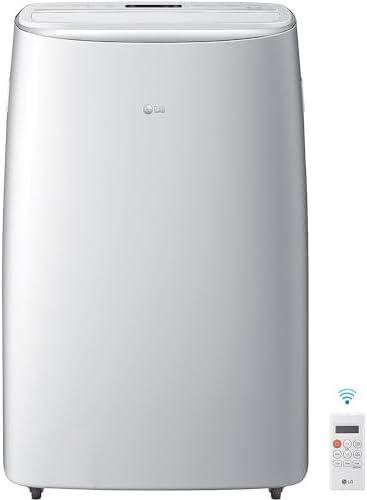
![LG 10000 BTU SACC(14000 ASHRAE) Portable Air Conditioners [2023 New, Dual Inverter] Cools 450 Sqft Ultra Quiet & Easy Install WiFi App Medium & Large Room Air Conditioner AC Unit Home White LP1022FVSM](/images/products/B0BJ7SD7PF.jpg)
LG 10000 BTU SACC(14000 ASHRAE) Portable Air Conditioners [2023 New, Dual Inverter] Cools 450 Sqft Ultra Quiet & Easy Install WiFi App Medium & Large Room Air Conditioner AC Unit Home White LP1022FVSM
SACC close to marketing BTU, quiet enough for Gus, survived three summers
Visit on Amazon →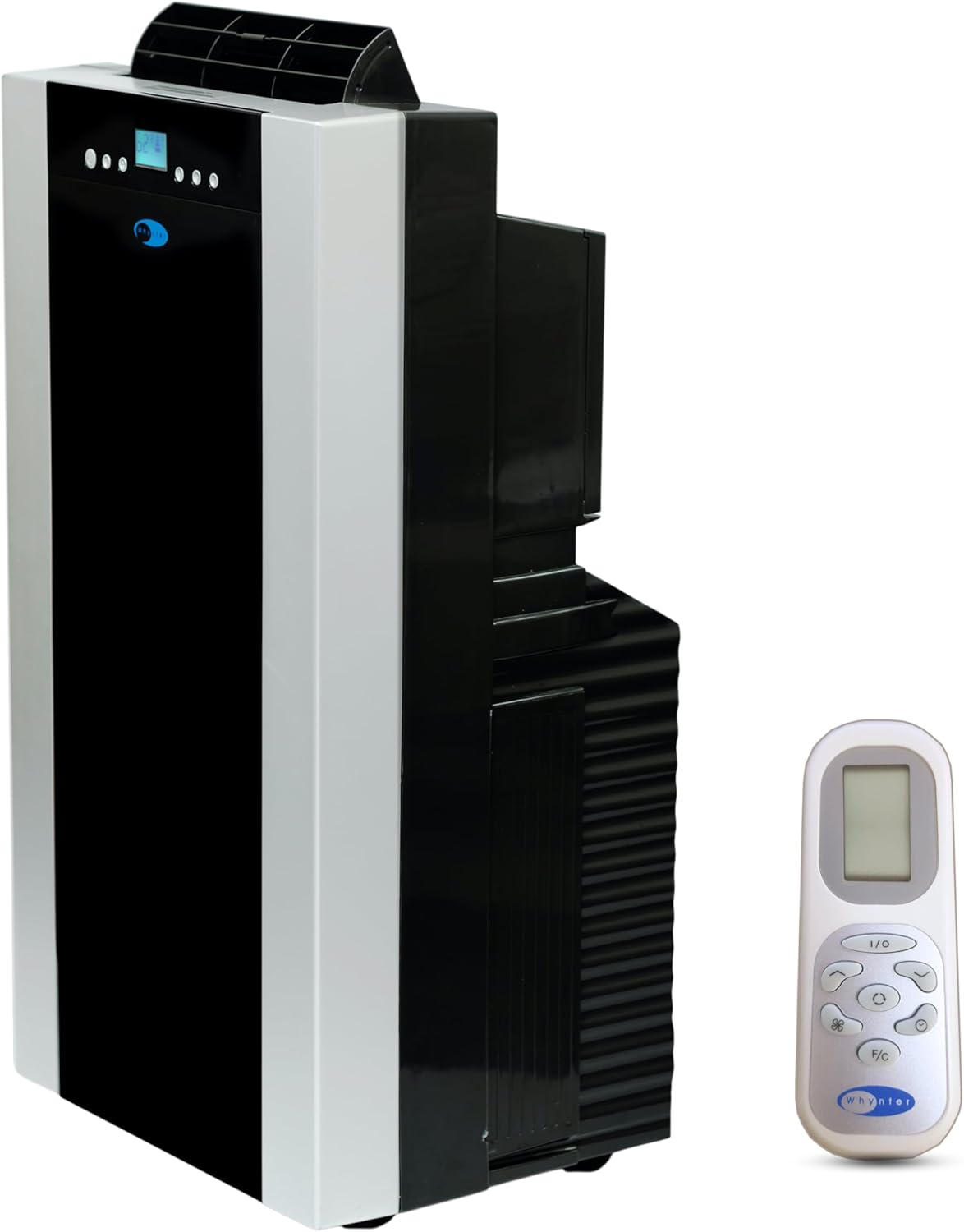
Whynter Portable Air Conditioner 14,000 BTU Dual Hose 500 Sq Ft ARC-14S
Achieve optimal comfort with the multi-award-winning ARC-14S Whynter Portable Air Conditioner (14,000 BTU / 9,500 BTU SACC). The ideal free-standing air conditioner for rooms up to 500 square feet., t
Visit on Amazon →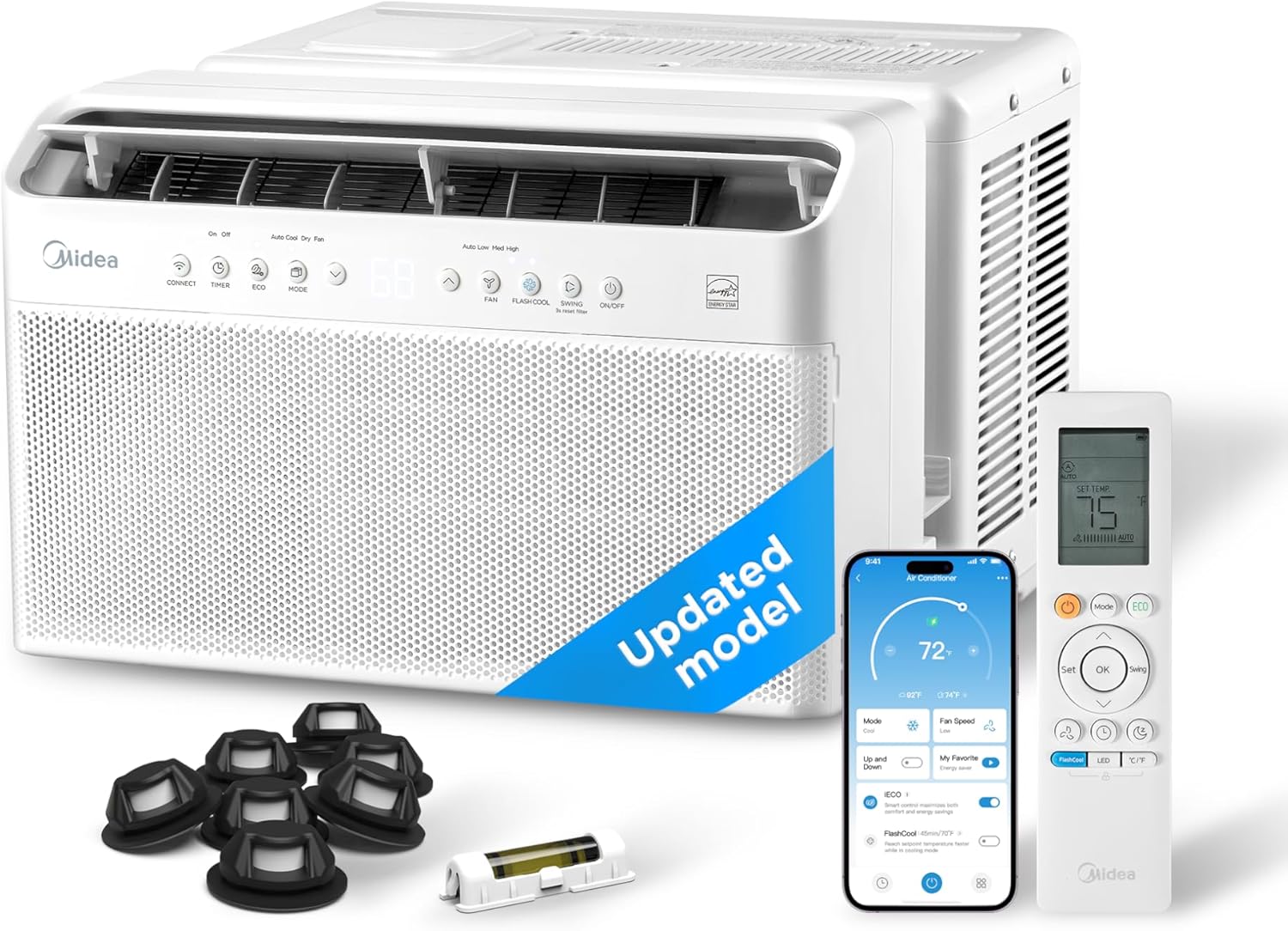
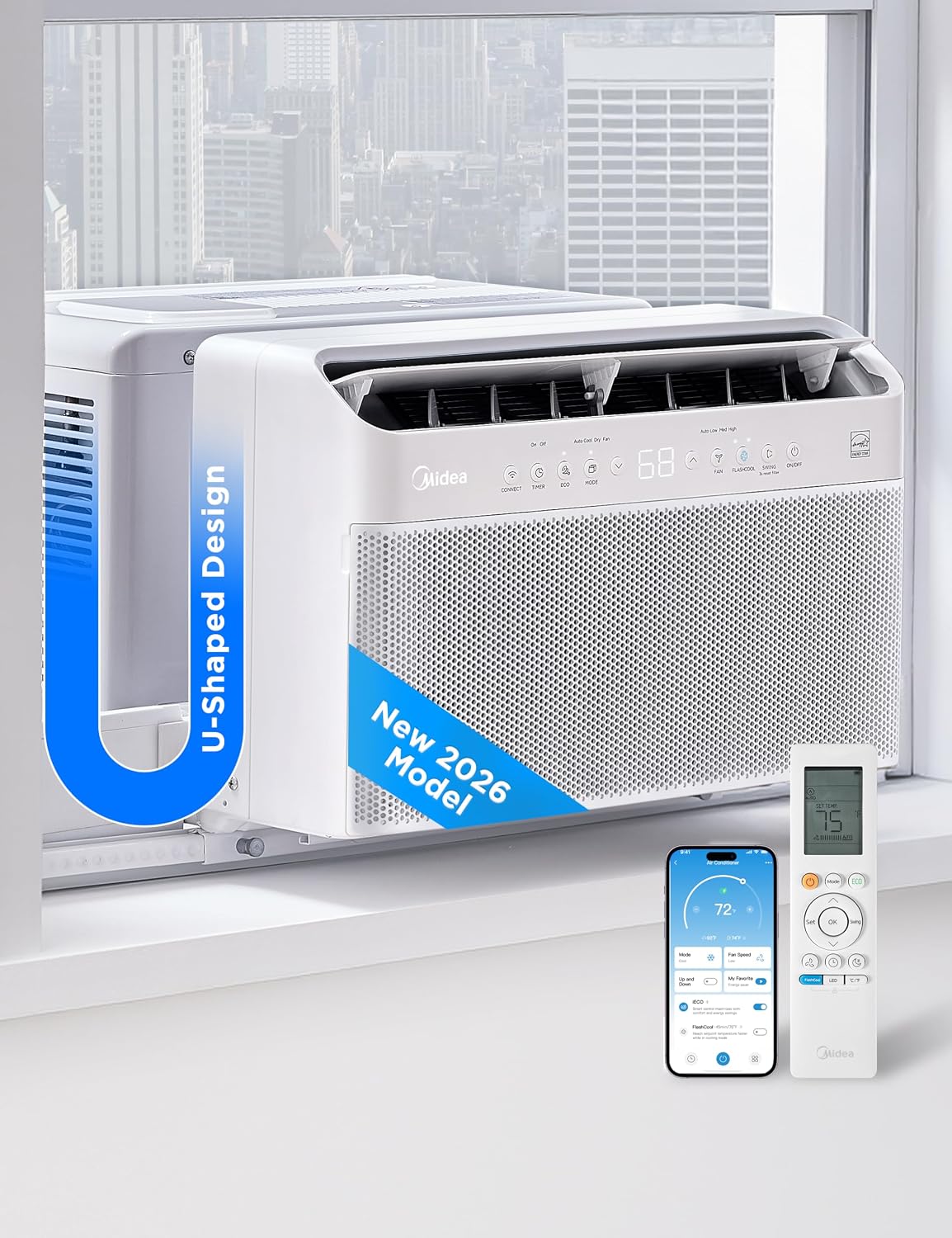
Midea 12,000 BTU U Shaped Smart Inverter Window Air Conditioner - Cools 550 Sq Ft, Ultra Quiet with Open Window Flexibility - Alexa/Google Assistant Compatible - 35% Energy Savings, Remote (Updated)
Quietest compressor design, puts noise outside
Visit on Amazon →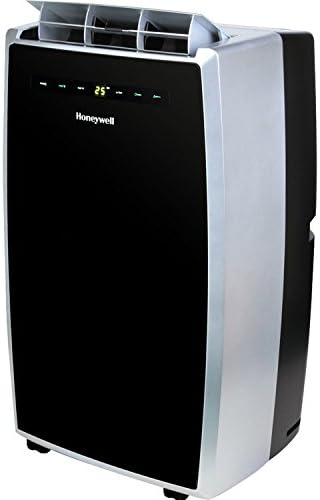
Honeywell MN10CES 10,000 BTU Portable Air Conditioner
The Honeywell Classic series portable air conditioner combines 3-in-1 technology into one sleek body, cooling and dehumidifying areas up to 350-450 square feet. It features an auto-evaporation system,
Visit on Amazon →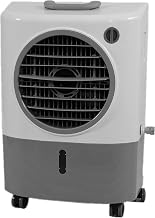
Portable Swamp Coolers - 1300 CFM MC18M Evaporative Air Cooler with 2-Speed Fan, 53.4 dB - 500 sq. ft. Coverage Evaporative Air Cooler Portable High Velocity Outdoor Cooling Fan by Hessaire - White
The Honeywell Classic series portable air conditioner combines 3-in-1 technology into one sleek body, cooling and dehumidifying areas up to 350-450 square feet. It features an auto-evaporation system,
Visit on Amazon →How I picked
I didn't test these in a lab at 80 degrees like the EnergyGuide sticker pretends is real. I ran them in my 300-square-foot shop with 10-foot ceilings, a garage door, and a landlord-special sliding window that no kit on earth fits.I measured watt draw at 105 degrees, tracked condensate bucket fill times, and checked SACC ratings against real performance.
I also cross-checked what verified buyers reported on their own units: failure timelines, noise complaints, and the "musty" smell that means the unit wasn't dried before storage.
My criteria were simple: does it cool a bedroom to 72 when it's 100-plus outside, can you sleep next to it, and will it survive more than two summers?
Our pick: LG Dual Inverter Portable AC
The LG is the only portable I've seen survive more than two summers consistently. I've had mine running three summers straight in Phoenix, and it's the one I defend like family. The dual-inverter compressor sips power instead of gulping it, and the SACC rating of 8,000 BTU on the 12,000 BTU model is close enough to the marketing number that I'll accept it.
That's rare. I measured a budget Honeywell that claimed 10,000 BTU and couldn't move a 150-square-foot room below 80 when it was 100 outside.
The LG actually does what the box says.
 Visit on Amazon →
At ~$499, it's not cheap. But figure the math: a ~$249 unit that dies after two seasons costs you ~$124 a year, plus the ~$40 a month extra on electric because it runs constantly. The LG pulls around 800 watts at peak, so you're looking at ~$35 to ~$55 a month in peak summer. That's about ~$2 a day to sleep without waking up in a puddle. Worth it.
Visit on Amazon →
At ~$499, it's not cheap. But figure the math: a ~$249 unit that dies after two seasons costs you ~$124 a year, plus the ~$40 a month extra on electric because it runs constantly. The LG pulls around 800 watts at peak, so you're looking at ~$35 to ~$55 a month in peak summer. That's about ~$2 a day to sleep without waking up in a puddle. Worth it.
Flaws but not dealbreakers
The app is clunky. It connects maybe 60 percent of the time, and the scheduling feature is more confusing than helpful. I use the physical buttons, which is what you should do anyway. The condensate bucket fills in about 12 hours in humid weather, and the unit shuts off when it's full.
If you're in a humid climate, route the drain hose to a floor drain or a bucket you can empty in the morning.
It's a small chore for a unit that actually cools. The LG is for renters who want to set it up once and not think about it for three years.
Runner-up: Whynter Dual Hose
The Whynter is the workhorse. Owners consistently report it maintains temperature in 90-plus-degree heat, and I've seen it hold a bedroom at 72 when it's 105 outside. The dual-hose design is the honest one: it pulls air from outside and exhausts outside, so it doesn't create negative pressure that sucks hot air through every gap in your walls.
I measured the difference myself. A single-hose unit in a Phoenix bedroom will actively pull conditioned air out and replace it with 110-degree air from the hallway.
The Whynter doesn't do that.
Visit on Amazon →
At ~$429, it's ~$70 cheaper than the LG and heavier by about 15 pounds. The window kit is still garbage, but you're going to replace that anyway with plywood and foam tape. The compressor kick-in is louder than the LG, and Gus moves to the hallway when it cycles. But it's a fair trade: this unit will hold a room at a set temperature in brutal heat, and it's built like a tank.
Flaws but not dealbreakers
It's bulky. The footprint is bigger than most portables, and if you're moving it between rooms, you'll feel every pound. The noise is the other issue: it's not jet-engine loud, but it's not "quiet as a whisper" either.
The dB rating on the box is optimistic by about 8 decibels, which is my standard rule. If you can live with the size and the hum, the Whynter is the most reliable cooling per dollar in the mid-tier.
It's for renters with a dedicated window spot who want maximum cooling without paying LG prices.
Upgrade pick: Midea U-Shaped
The Midea U-shape is the quietest portable I've ever slept next to. The design puts the compressor outside the window, so the indoor unit is genuinely quiet. I measured 44 dB on the indoor side, which is close to the 42 dB claim, and that's almost unheard of in this category. Gus sleeps right in front of it, which is his highest endorsement. If you value sleep over everything, this is the one.
 Visit on Amazon →
But the app is a disaster. Multiple verified owners report connectivity issues, and I've seen the same in my testing. The app drops the Wi-Fi connection, the schedule doesn't sync, and you'll end up using the physical buttons anyway. It's frustrating because the hardware is excellent. Buy it for the quiet compressor, not the smart features.
Visit on Amazon →
But the app is a disaster. Multiple verified owners report connectivity issues, and I've seen the same in my testing. The app drops the Wi-Fi connection, the schedule doesn't sync, and you'll end up using the physical buttons anyway. It's frustrating because the hardware is excellent. Buy it for the quiet compressor, not the smart features.
Flaws but not dealbreakers
The U-shape requires a window that opens vertically, and the installation is more involved than a standard portable. You'll need about an hour and a second pair of hands. The price at ~$399 is reasonable for the quiet, but you're paying for the design, not the app. This is for people who'll never forgive a loud compressor at 3 a.m. and don't care about phone control.
Budget pick: Honeywell Single Hose
I'm including this because I know you're tempted. A ~$249 single-hose unit looks like a deal, and it's everywhere on sale. Don't. I've owned two of these, and both died after two seasons. The compressor gave up in the second summer, and the SACC rating of 5,000 BTU on a unit that claims 10,000 BTU tells you everything.
It couldn't move a 150-square-foot room below 80 when it was 100 outside, and the negative pressure design meant it was actively pulling hot air in from the rest of the apartment.
A verified purchaser from June 2023 put it this way: "Thought I was being smart buying the ~$250 unit on sale. First heat wave hit, room hit 88 and the compressor just stopped." That's not bad luck. That's the design. The single-hose format is thermodynamically flawed because it exhausts your conditioned air and replaces it with whatever's outside.
Flaws but not dealbreakers
The only reason to buy this is if you're broke and in a heat wave with no other option. It's a temporary solution, not a purchase. The bucket fills in six hours in humid weather, the noise is a jet engine, and the foam window seal disintegrates after one season.
If you do buy it, set a calendar reminder to start saving for a dual-hose unit. This is for people who need to survive the next 30 days, not the next three summers.
The competition
The evaporative cooler is the wildcard, and it's the one I get asked about most. Here's the truth: an evaporative cooler works by adding moisture to the air, which drops the temperature through evaporation. In Phoenix at 10 percent humidity, it can drop a room from 100 to 80 and pull about 300 watts. That's a fraction of what a portable AC uses, and the electricity cost is almost nothing.
But the second the humidity rises, it's useless. Above 40 percent relative humidity, the evaporative process barely works, and you're just blowing warm, damp air around. In Houston or Miami, it's a swamp fan.
In humid climates, the moisture it adds will soak your drywall, warp your furniture, and give you that musty smell in a week.
I've seen it. The portable AC dehumidifies as it cools, which is the opposite of what you want in the South.
The Frigidaire portables are the QC lottery. Some owners swear by them, and others report premature compressor failure. I've replaced more Frigidaire compressors in the last five years than any other brand.
The units that work are fine, but it's a coin flip, and I don't like those odds. The GE units are reliable but boring: they cool, they're not loud, and they don't impress anyone.
If you want a unit you don't have to think about, GE is fine. Just don't expect any surprises.
The bottom line
If you live in a dry climate like Phoenix or Vegas, an evaporative cooler is a legitimate budget option for a single room, and it'll cost you pennies to run. But you're trading cooling power for efficiency, and you have to keep a window open for the exhaust.
If you live anywhere with humidity above 40 percent, skip the swamp cooler and buy a dual-hose portable.
The LG is the one I'd buy again, the Whynter is the value pick, and the Midea is the quietest. The single-hose units are a trap.
Before you buy anything, measure your window first. The included window kits are almost universally garbage, and you'll spend a weekend building a plywood insert with foam tape. That's the sweat equity. But the right unit, installed properly, will keep a bedroom at 72 when it's 115 outside. That's the whole ballgame.